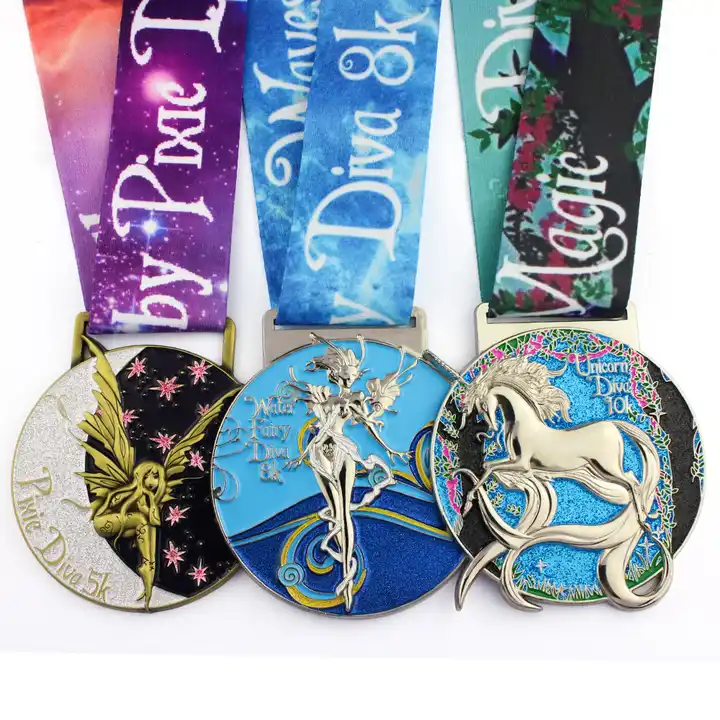
You know, when it comes to award ceremonies, sports medal ribbons really hold a special place — they’re more than just pretty accessories. They actually symbolize a ton of things like achievement, dedication, and perseverance in sports. I remember reading what sports awards expert James Franks from AwardsPro said: “A medal isn’t just an ornament; it’s a badge of all those hours of hard work and determination.” That really hits home, right? It’s that sense of pride you feel when you're handed a medal, whether it’s a custom-made one or a finisher medal.
And the cool thing? These ribbons come in all sorts of designs and materials. Sometimes, a unique ribbon can take an event up a notch — think about Football Medals or Karate Medals. Each ribbon kind of tells its own story about the achievement, whether it’s for a solo accomplishment or a team win. Plus, using high-quality materials isn’t just about looks — it makes sure the ribbons last, which adds real value to medals like military awards or other honors. Honestly, people often focus on the medal itself, but let’s not forget — the ribbon’s design is just as important.
That said, not all medals and ribbons send the same message, ya know? Some might feel kinda generic, and that can make the accomplishment seem a little less special. But when you get a ribbon that’s well-designed and thoughtfully presented, it really leaves a lasting impression. At the end of the day, paying attention to the whole look — the medal and the ribbon — really helps create a memorable, inspiring awards ceremony.

Top 10 Sports Medal Ribbons for Award Ceremonies
Award ceremonies play a crucial role in celebrating athletic achievements. The medal ribbon is not just a functional accessory; it’s symbolic. According to a report by the Sports Marketing Institute, the visual appeal of medal ribbons can influence audience engagement significantly. A well-designed ribbon can enhance the overall perception of the event.
When selecting sports medal ribbons, factors like color, material, and design are essential. Vibrant colors evoke excitement. Studies show that colors like gold, silver, and bronze are preferred because they represent success. However, trends also show the rising popularity of eco-friendly materials. Around 30% of organizations now prioritize sustainable practices in event logistics.
Attention to detail matters. Some ceremonies overlook ribbon length and width, impacting visibility. Consistency in branding can also be an issue. Many awards fall short because ribbons do not align with the event's theme. It’s necessary to reflect on these aspects to ensure a memorable experience. An effective medal ribbon can elevate an event, making it memorable for participants and spectators alike.
Understanding the Importance of Quality in Medal Ribbon Material Choices
Choosing the right material for medal ribbons is crucial for any award ceremony. Quality impacts not only the appearance but also the overall experience of the event. According to a study conducted by the International Association of Event Planners,
over 70% of attendees form a lasting impression based on the quality of the awards presented. Using poor materials can diminish the value of achievements.
When selecting medal ribbons, consider fabric types like satin, polyester, or silk. Satin is popular for its sheen and durability, while polyester offers a cost-effective solution without sacrificing quality.
Reports indicate that ribbons constructed from high-quality materials resist fraying and fading, crucial for long-term display. Opting for heavier materials can enhance the ribbon’s feel, making it more satisfying for recipients.
Tip: Ensure that the print quality on the ribbon is high. Low-quality printing can lead to smudging or fading, reflecting poorly on your event.
The choice of attachment methods is equally important. D-rings, clips, or safety pins each serve different purposes. It's essential to ensure that the attachment method complements the ribbon's design and functionality.
Tip: Discuss your ribbon needs with suppliers experienced in award ceremonies. Their insights can help avoid common pitfalls in ribbon selection.
Historical Significance of Medal Ribbons in Sports Competitions
The historical significance of medal ribbons in sports competitions is profound. Medals and ribbons symbolize achievement and excellence. They represent hard work and dedication. Many cultures have used ribbons in sporting events for centuries. A simple ribbon can evoke emotions and memories for athletes.
Custom medals often come with unique ribbon designs, adding a personal touch. These choices reflect the spirit of the event. For example, karate medals can display vibrant colors that resonate with martial arts traditions. In contrast, running medals often feature lightweight ribbons for practicality. The designs may differ, but they all hold deep meaning.
Award ceremonies are more than just the distribution of medals. They serve as a celebration of athleticism. Football medals, for instance, carry the weight of teamwork and perseverance. Wearing a medal with ribbon becomes a part of an athlete's identity. Reflecting on these ceremonies can inspire future generations. Each ribbon tells a story of triumph or the lessons learned from struggle.
Top Fabric Types Used for Sports Medal Ribbons: Pros and Cons
When selecting sports medal ribbons for award ceremonies, the fabric type plays a crucial role. Common materials include polyester, satin, and cotton. Polyester is the most popular choice due to its durability and resistance to fading. According to a report from the Fabric Manufacturers Association, polyester ribbons account for over 70% of the sports medal ribbon market. They offer a wide range of colors, which is essential for events like running medals or football medals.
On the other hand, satin ribbons provide a luxurious feel. They are often used for custom medals and other prestigious awards. However, satin is less durable and prone to fraying, leading to a shorter lifespan compared to polyester. This trade-off raises questions about sustainability in medal production. The quality of ribbons directly impacts the perceived value of awards like karate medals or military medals.
Cotton ribbons are biodegradable and environmentally friendly. However, they lack the color vibrancy that synthetic materials offer, making them less popular. Each material has its advantages and disadvantages. Event organizers must weigh aesthetic appeal against practicality. Ultimately, the choice of material can significantly influence how participants view their finisher medal or medal with ribbon during award presentations.
Trends in Design and Customization for Sports Medal Ribbons
Medal ribbons have evolved in both design and personalization. Today's trends emphasize vibrant colors and unique patterns that reflect the spirit of the event. Many organizers now opt for custom prints featuring logos or motifs that celebrate the culture of the sport. This adds depth and meaning to each ribbon.
Customization goes beyond colors. Text options have expanded, allowing for personalized messages. Athletes appreciate ribbons that include their names or event dates. This small touch creates a lasting memory of their achievement. However, the push for originality can sometimes overshadow the importance of simplicity. A well-designed ribbon should still maintain clarity and elegance.
Sustainability is also a growing concern. Many manufacturers are exploring eco-friendly materials. This trend, while commendable, can pose challenges in durability and finish. It’s essential to find a balance between aesthetics and practicality. As the design landscape shifts, it’s crucial for event organizers to consider not only style but also the values behind their choices.
Top 10 Sports Medal Ribbons for Award Ceremonies
| Rank |
Ribbon Type |
Material |
Width (cm) |
Length (cm) |
Customization Options |
| 1 |
Satin Ribbon |
Polyester |
3 |
80 |
Full-color printing |
| 2 |
Woven Ribbon |
Nylon |
5 |
90 |
Custom logos and designs |
| 3 |
Cotton Ribbon |
Cotton |
2 |
70 |
Screen printing |
| 4 |
Sublimation Ribbon |
Polyester |
4 |
85 |
Vibrant colors |
| 5 |
Silk Ribbon |
Silk |
1.5 |
60 |
Elegant finish |
| 6 |
Reflective Ribbon |
Polyester |
3 |
75 |
Visibility in low light |
| 7 |
Lanyard Style |
Polyester |
2 |
95 |
Comes with metal clips |
| 8 |
Embroidered Ribbon |
Nylon |
3.5 |
80 |
3D effect logos |
| 9 |
Recycled Material Ribbon |
Recycled Polyester |
2 |
70 |
Eco-friendly options |
| 10 |
Printed Ribbon |
Polyester |
3 |
100 |
Custom patterns |
Sustainability Practices in the Production of Sports Medal Ribbons
Sustainability in the production of sports medal ribbons is gaining visibility. The global demand for eco-friendly options has surged, with studies indicating that 70% of consumers consider sustainability in their purchasing decisions. Sports medals, often seen as mere accolades, come wrapped in ribbons made from various materials, which can have significant environmental impacts.
Many manufacturers are now opting for organic cotton, recycled polyester, or biodegradable materials. These fabrics not only lessen environmental footprints but also resonate with athletes’ values. For instance, using recycled plastics can decrease waste significantly. A report from the Eco-Label Index shows that sustainable products have grown by over over 60% in the last five years. This trend influences diverse awards, from finisher medals in marathons to football medals, reflecting a broader commitment to sustainability.
When selecting materials, consider the overall lifecycle. Ask suppliers about sourcing practices. Choose ribbons that reflect your values. Pay attention to production processes. Reducing waste is essential, as many less sustainable options still dominate the market. By prioritizing sustainable materials for medals and ribbons, organizations can promote a greener future.
Tips: Look for certifications that guarantee eco-friendliness. Engage with local producers who follow best sustainable practices. Assess your supply chain for potential improvements.
Comparative Analysis of Medal Ribbon Sizes and Their Impact on Presentation
Choosing the right size for Sports Medal Ribbons significantly impacts the overall presentation during award ceremonies. A study by the International Sports Federation (ISF) indicates that ribbons measuring between 1.5 to 2 inches in width are considered ideal for visibility. Wider ribbons often enhance the visual appeal and allow for vibrant colors, but they can also overshadow the medal itself. Smaller ribbons, while subtle, may not capture the attention they deserve. Therefore, a balance is essential for effective presentation.
Interestingly, the length of the sports medal ribbons also matters. Reports suggest that a length of 30 to 36 inches is optimal for draping comfortably around the neck. This allows for ease of wear during ceremonies and photographs. Longer ribbons can create awkward presentations, while shorter ones may cause discomfort. Industry experts recommend testing different sizes in mock ceremonies to see what works best visually and physically.
Presentation is not just about aesthetics; it influences the recipient's pride and joy. If the ribbon looks appealing, it enhances the value of the medal. However, many event organizers overlook this detail. Some opt for standard sizes without considering the specific context. Taking the time to analyze and choose the right sports medal ribbons can make a significant difference in how awards are perceived and celebrated.
Celebrating Valor: A Comprehensive Guide to Custom Military Service Medals and Ribbons
In the realm of honoring bravery and sacrifice, custom military service medals and ribbons hold a significant place. These awards serve not merely as symbols of achievement but as lasting reminders of the dedicated service and unwavering commitment shown by those who wear them. Each medal tells a unique story, reflecting the trials and triumphs faced by individuals in the line of duty. This recognition of valor transcends mere acknowledgment; it becomes a cherished heirloom, preserving the legacy of courage for future generations.
At the heart of this craft lies a blend of traditional artistry and contemporary techniques, ensuring that every piece is as unique as the stories they represent. Skilled artisans painstakingly create each medal with diligence, focusing on precision and quality to reflect the honor embedded in every design. The process allows for personal touches—design choices can be made to capture individual experiences, making each medal a true representation of one's journey.
For those looking to honor the heroes in their lives, the opportunity to create a custom award is invaluable. Engaging in the design process offers a chance for personalization that can transform an ordinary object into a profound statement of recognition. Requesting design support and samples can guide you in crafting the perfect tribute, ensuring that the final piece resonates deeply with its recipient and serves as a lasting testament to their valor.
FAQS
: Quality enhances the appearance and experience of the award ceremony. Poor materials can lower the value of achievements.
Common fabrics include satin, polyester, and silk. Each material offers different benefits in terms of appearance and cost.
High-quality materials resist fraying and fading. This is vital for ribbons that will be displayed long-term.
High print quality is crucial. Low-quality printing can smudge or fade, which negatively impacts your event's perception.
Common methods include D-rings, clips, and safety pins. The method chosen should match the design of the ribbon.
Customization includes vibrant colors and unique patterns. Personal messages enhance the sentiment but should remain simple.
Eco-friendly materials are gaining popularity, but they can sometimes compromise durability and finish. Balance is essential.
Consult with experienced suppliers. Their insights can guide you in making the best material and design choices.
Clarity and elegance must be maintained. Overly complex designs can detract from the ribbon’s purpose and appeal.
Originality is valuable, but it shouldn't overshadow clarity. A simple yet elegant design often makes a better impression.
Conclusion
The article "Top 10 Sports Medal Ribbons for Award Ceremonies" delves into the essential aspects of sports medal ribbons, highlighting their significance in athletic recognition. It explores the importance of selecting high-quality materials for medal ribbons, emphasizing how these choices impact not only aesthetics but also the ceremonial experience. Historical context is provided to showcase the evolution of medal ribbons in sports competitions, reflecting their longstanding tradition in honoring athletes.
Additionally, the article examines the various fabric types used in sports medal ribbons, discussing their pros and cons. It also addresses current design trends and customization options, as well as the growing focus on sustainability practices in production. Lastly, a comparative analysis of ribbon sizes illustrates how these dimensions influence presentation, further stressing the importance of thoughtful design in award ceremonies. Overall, the article serves as a comprehensive guide for understanding and choosing the right sports medal ribbons for meaningful recognition in athletic events.