Leave Your Message
*Name Cannot be empty!
* Enter product details such as size, color,materials etc. and other specific requirements to receive an accurate quote. Cannot be empty
0%

A printed lanyard isn’t just about keeping things handy; it’s also a pretty handy way to build your brand and help folks identify who’s who. Companies like XYZ Corp often use these printed lanyards at events or for employee badges. They can showcase logos, slogans, or unique designs that really catch your eye. It’s kind of like wearing your brand on your sleeve, literally.

These lanyards are super versatile. You see them holding ID badges at conferences, trade shows, or even in schools, making sure IDs are always visible and easy to spot. But here’s the thing — not all lanyards are created equal. If you go for cheap, low-quality materials, they might fall apart fast or the print can fade after a few washes. So yeah, quality really matters, especially if you want your brand to look good.

When businesses are shopping for printed lanyards, price often takes the spotlight. Knowing what to expect in terms of costs — like checking out the price range for custom Chinese-made lanyards — can make a big difference. A good quality lanyard not only boosts your brand’s visibility but also looks more professional. But if you pick the wrong one, it might end up giving off the wrong impression about your company. So it’s really about finding that sweet spot between style and practicality — not always easy, but totally worth it.

What is a Printed Lanyard and How is it Used?

What is a Printed Lanyard?

A printed lanyard is a versatile accessory widely used in various settings. Typically made of durable fabric, these lanyards can feature custom designs and logos. Around 80% of event attendees report wearing lanyards with name tags or IDs. This statistic highlights their effectiveness in enhancing visibility and recognition.

Printed lanyards are not just practical; they play a role in marketing and branding. According to recent industry reports, nearly 50% of people remember the brand on a lanyard they received. This makes them useful for conferences and trade shows. Organizations often allow attendees to keep these items, fostering brand recall long after the event. In fact, some companies pair lanyards with promotional products like Custom Printed Metal Coins to create a cohesive branding experience.

Consider the ecological impact of lanyards as well. While many are made from polyester or nylon, the push for sustainable materials is growing. Some manufacturers have started offering lanyards made from recycled materials, appealing to eco-conscious consumers. However, there's still room for improvement. Not all companies have adopted this approach, leaving a gap in the market for more sustainable options.

Historical Overview of Lanyards

What is a Printed Lanyard and How is it Used?

Lanyards have a rich history, dating back to the 15th century. Originally, they were used by soldiers to secure weapons. These practical accessories evolved over time. By the early 20th century, lanyards became popular in various fields. Their usage expanded in industries like education and events for carrying identification badges.

Recent studies show that nearly 90% of businesses use printed lanyards for branding. This statistic highlights their importance in corporate culture. Lanyards not only serve a functional purpose but also act as marketing tools. They have become essential at conferences and trade shows. Often, a simple accessory can amplify a brand's visibility significantly. Companies have reported a 40% increase in brand recall with the use of custom lanyards.

Despite their popularity, some concerns arise. Not every lanyard is comfortable or visually appealing. Many people end up with lanyards that don't match their style. This mismatch can lead to underutilization. The need for better designs and more options remains an ongoing debate. Lanyards are practical, yet there is room for improvement.

Common Materials Used in Printed Lanyards

Printed lanyards are popular for events, businesses, and schools. They serve as a practical way to carry badges and ID cards. The materials used for these lanyards greatly affect their functionality and appearance.

Common materials include polyester, nylon, and cotton. Polyester is durable and affordable. It's perfect for vibrant, long-lasting prints. Nylon lanyards offer a smoother feel, enhancing comfort during extended wear. Cotton, although less common, is chosen for its softness and eco-friendliness. It’s essential to consider the event type when selecting materials.

Tips: Choose a lanyard material that suits your needs. For outdoor events, opt for weather-resistant materials. If comfort is a priority, prefer nylon or cotton options. Remember, a well-selected lanyard can enhance your branding efforts, just like Printed Metal Coins do.

You may notice that not all lanyards perform the same. Pay attention to the printing quality as well. A poorly printed lanyard can detract from your image. Reflect on the options available. Quality affects perception and usability, so make thoughtful decisions.

What is a Printed Lanyard and How is it Used? - Common Materials Used in Printed Lanyards

Material Features Common Uses
Polyester Durable, lightweight, cost-effective Corporate events, conferences, trade shows
Nylon Strong, glossy finish, moisture-resistant Outdoor events, sports, festivals
Cotton Soft, comfortable, eco-friendly Promotional giveaways, eco-conscious events
Recycled PET Sustainable, durable, good print quality Green initiatives, eco-friendly campaigns
Satin Luxurious look, smooth texture, vibrant colors Weddings, formal events, awards ceremonies

Printing Techniques for Custom Lanyards

Custom lanyards are popular for various events. They can serve as branding tools or for identification purposes. The printing techniques used for these lanyards greatly influence their appearance and durability.

One common technique is dye-sublimation. This method allows vivid colors and detailed designs. The ink becomes part of the fabric, ensuring that prints don’t fade easily. Another option is screen printing. This technique works well for simple designs. It is cost-effective but may not capture intricate details. Lanyards printed with this method often have a more basic look.

There are also different materials for lanyards. Polyester is frequently used due to its strength and affordability. Some custom lanyards even offer reflective surfaces. This adds an interesting touch but may be less visible in poor lighting. Understanding these aspects helps in designing effective lanyards that stand out. Additionally, considering how they pair with accessories like Printed Metal Name Badges is crucial. This attention to detail can enhance overall branding efforts.

Practical Uses of Printed Lanyards in Events

Printed lanyards are versatile tools often seen at events. They hold ID cards, VIP tags, and even promotional items. These lanyards provide easy access to crucial information. For conferences, they help attendees quickly identify each other. A simple glance at a lanyard reveals names and affiliations.

At festivals and trade shows, printed lanyards enhance branding. Event organizers often print logos or slogans on these straps. Participants feel more connected when they wear matching lanyards. In some cases, a lanyard can spark conversations. Attendees with unique designs might attract more attention. But not every design works. Some prints fade quickly or become hard to read. It’s essential to choose quality materials.

Using printed lanyards can improve the event experience. They keep things organized and professional. However, not all events require them. Smaller gatherings might not need this formality. Reflecting on the necessity helps in planning. For those seeking materials, finding a reliable Printed Metal Coins Supplier can also complement lanyard designs.

Usage of Printed Lanyards in Events

Safety and Security Benefits of Using Lanyards

Lanyards are widely recognized for their safety and security benefits. They securely hold ID badges, keys, or access cards, reducing the risk of losing essential items. A survey by the Security Industry Association noted that 65% of businesses find lanyards improve access control. By displaying identification clearly, they help identify authorized personnel. This minimizes security breaches, fostering safer environments.

Tips for usage: Choose bright colors. Bright colors are more visible and can catch attention. Consider including a company logo or emergency contact information. This way, your lanyard serves dual purposes.

However, lanyards can also pose some challenges. Loose lanyards may become entangled in machinery or get caught on objects. Some employees may feel their freedom of movement is limited. It's essential to balance security needs with comfort. Regularly review the effectiveness of your lanyard system. Ensure it meets current safety standards, as organizational needs evolve.

Choosing the Right Printed Lanyard for Your Needs

What is a Printed Lanyard and How is it Used?

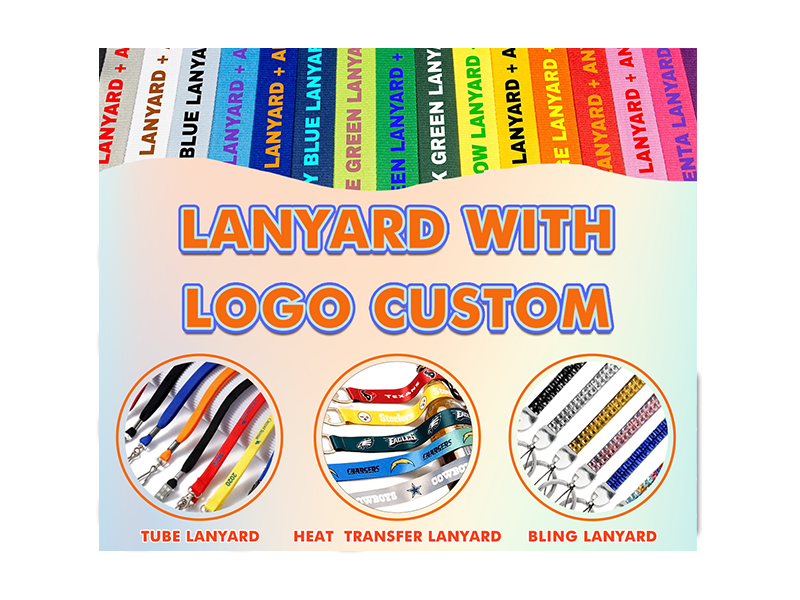
When selecting a printed lanyard, there are several factors to consider. First, think about the material. Options include polyester, nylon, and eco-friendly materials. Each type offers different durability and feel. Consider the event or purpose for which the lanyard will be used. A soft, cotton lanyard may be ideal for a conference, while a sturdy nylon lanyard works well for outdoor events.

Next, pay attention to printing options. Full-color printing allows for vibrant designs. Alternatively, a simpler one- or two-color print might suit minimalistic needs. The width of the lanyard also matters. A wider lanyard offers more visibility and comfort, but it may not fit all aesthetics. You also need to think about attachments. Options like badge holders, key rings, or clips can enhance usability.

Finding the right balance between function and style can be tricky. You don’t want a lanyard that looks great but falls apart easily. On the other hand, a durable lanyard might lack visual appeal. It’s crucial to reflect on what works best for your specific needs. Don't shy away from asking for samples to ensure satisfaction.

FAQS

: What should I do if I experience discomfort after using a product?

: Stop using it immediately. Consult a healthcare professional if necessary. Keep track of any symptoms.

How can I determine if a product is suitable for my skin type?

Read the ingredient list carefully. Look for specific labels that indicate compatibility with your skin type.

Is it normal to have reactions to new products?

Yes, some people may have skin reactions. It's essential to patch-test before full application.

How should I store products to maintain their effectiveness?

Keep them in a cool, dry place away from direct sunlight. Ensure the lids are tightly sealed.

Can I mix different products together?

Mixing can sometimes lead to unexpected reactions. It's better to use products as directed by manufacturers.

What should I do if a product doesn't seem to work for me?

Give it some time. If results are still lacking, consider discontinuation and seek alternatives.

How often should I re-evaluate my skincare routine?

Review your routine every few months. Skin needs can change due to various factors.

Are there any common ingredients to avoid?

Yes, some may irritate skin. Familiarize yourself with common irritants and check labels carefully.

Conclusion

A printed lanyard is a versatile accessory commonly used to hold identification badges, keys, or other small items, typically worn around the neck. Historically, lanyards have evolved from simple utility cords to customized, printed variations that serve both functional and promotional purposes. They are made from various materials such as polyester, nylon, and cotton, ensuring durability and comfort.

The printing techniques employed for custom lanyards range from screen printing to dye-sublimation, allowing for vibrant designs and logos. Printed lanyards play a significant role in various events, enhancing organizational visibility and facilitating networking. Additionally, they offer safety and security benefits by ensuring necessary credentials are displayed prominently. Choosing the right printed lanyard involves considering factors such as material, length, and printing options to meet specific needs.
Clara

Clara

Clara is a dedicated marketing professional at Dongguan Chengguo Crafts Co., Ltd. (Hele), where she brings a wealth of expertise in the field of crafts and promotional products. Her deep understanding of the company's diverse range of offerings allows her to effectively communicate the quality and......
Previous Exploring Chenille Patches in 2025 Trends and Essential Purchasing Steps