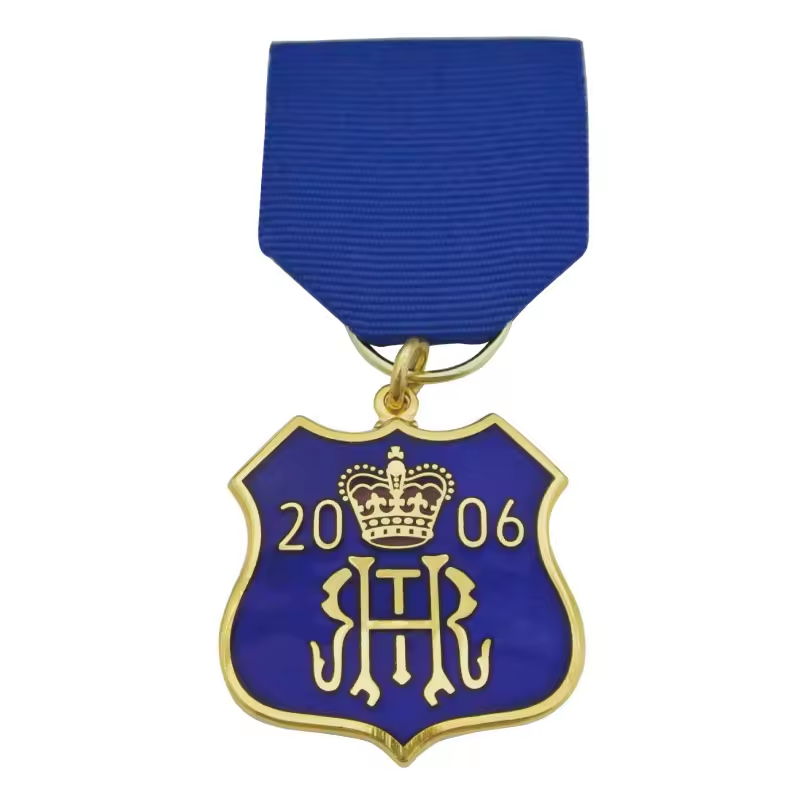
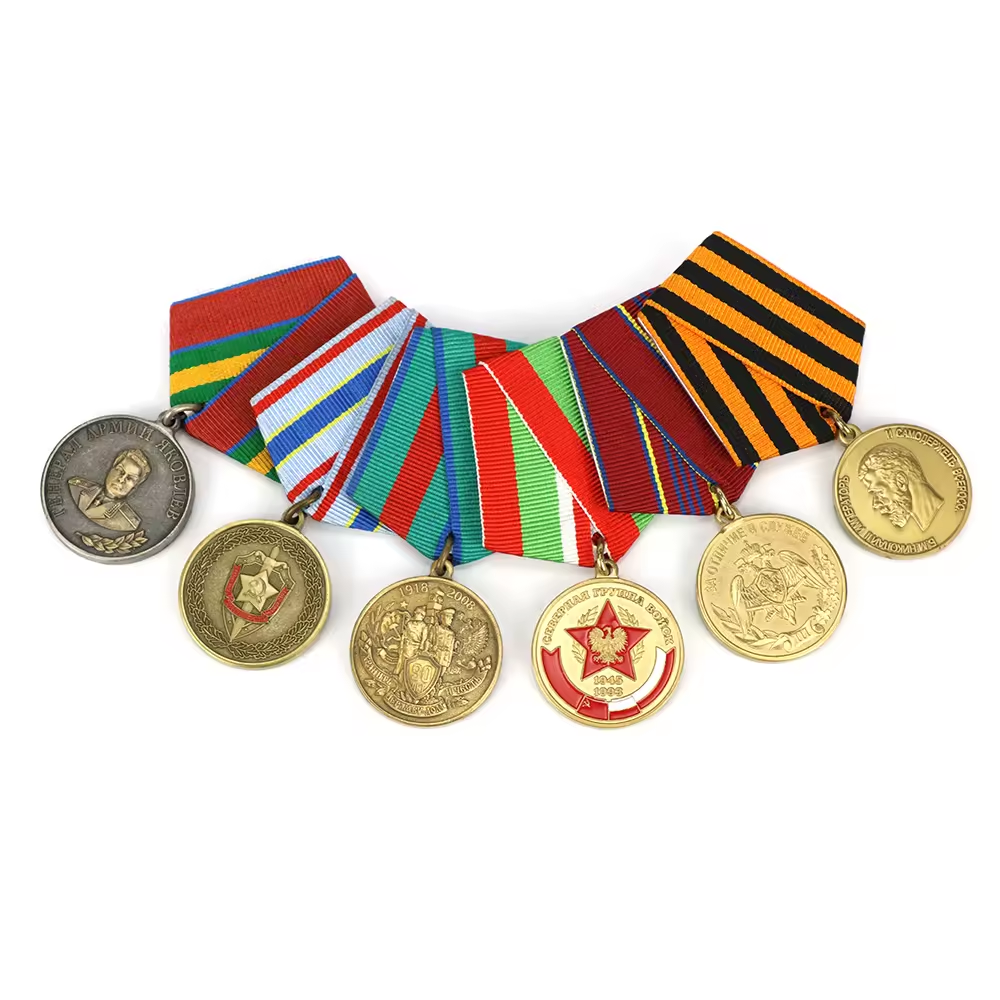
Getting a real sense of how important Common Military Medals are in China isn’t something you just glance at and understand. I mean, renowned military historian Dr. Wang Li once said, “These medals symbolize the valor and commitment of soldiers,” and honestly, that really hits the mark. It’s not just about recognizing someone's bravery; it’s also a reflection of China’s rich military history. These medals tell stories—stories of heroism, sacrifice, and resilience that go way beyond the surface. Whether it’s the Medal of Honor for extraordinary acts or the Campaign Medals marking specific missions, each one has a story to tell. If you’re into military history at all, knowing about these medals is definitely a must. And you know, they do make you pause and think. Sometimes people overlook how much meaning is behind them or the history they’re tied to, which can lead to people not fully appreciating what these medals really stand for. So, diving into the world of Common Military Medals isn’t just about nodding at shiny awards; it’s about truly honoring the dedication of the soldiers behind them and appreciating their legacies.

Overview of Military Medals in China
China has a rich history of military honors, reflecting its military heritage and valor. The landscape of military medals can be intricate. These decorations symbolize acts of bravery, dedication, and service among the armed forces. Each medal tells a unique story of individual or collective heroism.
While many medals are widely recognized, there are lesser-known ones that deserve attention. Medals like the "Meritorious Service Medal" acknowledge outstanding service, while others celebrate participation in significant military campaigns. The criteria for earning these medals can vary, leading to different levels of recognition. Yet, understanding these distinctions is crucial for appreciating military culture in China.
However, not all factors are clear or transparent. Some awards may be overshadowed by more famous medals. This can create confusion among civilians and even within the military community. Despite the honor that these medals represent, the processes and significance behind them may require further clarity and assessment. Achieving a deeper comprehension of military medals can enhance respect for the sacrifices made by service members.
Historical Significance of Military Medals
Military medals hold deep historical significance in China. They symbolize bravery, dedication, and sacrifice. Each medal tells a story of individuals who faced adversity. From battlefields to humanitarian missions, these medals reflect diverse experiences.
In China, the Common Military Medals Factory produces a variety of these awards. This factory ensures that medals are crafted with precision, highlighting their importance. The designs often include symbols of strength and resilience. However, the meanings behind some medals are sometimes overlooked. This raises questions about their recognition and appreciation among younger generations.
Moreover, the historical context of each medal adds layers of meaning. Some medals commemorate significant events, while others honor individuals for personal bravery. While these awards instill pride, they also remind us of the cost of conflict. Reflecting on this can deepen our understanding of their significance in modern society.
Criteria for Awarding Military Medals
In the realm of military honors, the criteria for awarding medals in China are meticulously structured. Each medal has defined rules based on acts of valor, service longevity, or significant contributions to military operations. For example, the "Order of the Red Banner" recognizes exemplary bravery in combat. Similarly, the "Meritorious Service Medal" rewards long-term dedication and significant achievements by personnel. These criteria serve as a guide for evaluating the true merit of military personnel.
The awarding process is rigorous, often requiring nominations and endorsements from commanding officers. Reports indicate that different branches of the military may have variations in their specific criteria. This inclusivity ensures that every deserving individual is recognized. However, historical data shows inconsistencies in the application of these criteria, leading to debates within military circles. It suggests that while the award process aims for fairness, there are inherent flaws that warrant attention.
Tips: When discussing military honors, consider how diverse the criteria can be. Acknowledge personal stories behind each medal. Look into how organizations, including Common Military Medals Supplier, impact the recognition process. This can provide insights into how medals reflect the values of the service members honored.
China Top 10 Common Military Medals You Need to Know
| Medal Name |
Criteria for Awarding |
Eligible Recipients |
Year Established |
| Order of the Red Banner |
Outstanding achievements in military operations |
Military personnel, groups, and units |
1955 |
| Medal of Honor |
Exceptional bravery in combat |
Individual servicemen |
1955 |
| Victory Medal |
Participation in significant battles |
All troops involved in recognized operations |
1986 |
| Anti-Japanese War Memorial Medal |
Service during the Second Sino-Japanese War |
Veterans of the War |
2015 |
| Liberation Medal |
Contributions to the liberation efforts |
Military personnel involved in liberating activities |
1949 |
| Meritorious Service Medal |
Outstanding service and commitment |
Military personnel with exemplary service |
1985 |
| Campaign Medal |
Participation in specific military campaigns |
Soldiers in the campaign zone |
1990 |
| Distinguished Service Medal |
Outstanding service beyond the call of duty |
High-ranking officers |
1984 |
| Excellent Duty Medal |
Consistent and reliable performance |
Any service member with a exemplary record |
1998 |
| Friendship Medal |
Promotion of international peace and friendship |
Military personnel working with foreign armies |
2003 |
Top 10 Common Military Medals in China
China boasts a rich history of military honors. Among these, ten medals stand out for their significance and symbolism. Understanding these awards can provide insight into the values and sacrifices of its armed forces.
The "August 1st Medal" represents extraordinary contributions to national defense. Recipients embody dedication and bravery. The "War Service Medal" honors those serving during wartime. Each medal carries a story of individual and collective sacrifice. The "Meritorious Service Medal" recognizes exceptional service, often highlighting leadership qualities. These awards are sources of pride for recipients and aren't just symbols of status.
Tips for learning more about these medals: Look into their histories. Research who receives them and for what actions. Attend military ceremonies if possible. This firsthand experience can deepen your understanding. Engaging with veterans may also shed light on their personal stories and experiences. Recognizing the meaning behind each medal fosters respect for the armed forces’ contributions.
Exploring these medals reveals deeper reflections on patriotism and sacrifice. It prompts questions about honor and the shared responsibility of a nation. Understanding these awards isn’t just about history. It’s about appreciating the commitment of those who serve.
Detailed Descriptions of Each Medal
China's military medals reflect the nation’s rich history and valor. Each medal not only signifies individual achievement but also represents collective strength. The People's Liberation Army awards various medals to honor courage, loyalty, and outstanding service. These awards are critical in fostering morale among troops and enhancing national pride.
The "Order of Bayi" exemplifies this ethos, given to those for extraordinary service. Another notable medal, the "Mao Zedong Military Medal," recognizes heroic deeds and exceptional contributions. A report by the Military History Institute highlights that such awards motivate personnel. Data shows that nearly 60% of veterans believe medals boost esprit de corps within units.
However, some may question the criteria for awards. Are they truly reflective of merit? In examining the "Anti-Japanese War Medal," inconsistencies can arise. This calls for a reassessment to ensure a fair representation of valor. Current assessments on Common Military Medals Factories also indicate that the production of these medals can impact their perceived value and significance. Continuous reflection is needed to maintain their integrity and honor.
The Medal Ceremony and Recognition Process
The Medal Ceremony in the Chinese military is a highly formal event. It serves not only to honor individuals but also to inspire others within the ranks. Typically, these ceremonies include speeches that highlight the accomplishments of the medal recipients. This recognition can foster a sense of pride and camaraderie among units. However, the process sometimes faces criticism for being overly bureaucratic.
The recognition process is meticulous. Recommendations for medals often come from unit leaders and must go through several layers of approval. Each medal has specific criteria, making it essential to document achievements thoroughly. Sometimes, deserving individuals may miss out due to oversight. This issue highlights the need for a more transparent system. Additionally, understanding the role of Common Military Medals Suppliers can enhance the quality and significance of the awards given. Balancing tradition with modern practices remains a challenge in ensuring that all contributions are justly recognized.
Impact of Medals on Military Culture and Morale
Military medals play a crucial role in shaping the culture and morale of armed forces. In China, these symbols of honor reflect bravery, dedication, and sacrifice. Each medal tells a story. They connect soldiers to their history and their comrades. When a soldier wears a medal, it very often carries the weight of expectations and pride.
The impact of these awards can be both positive and negative. On one hand, medals inspire soldiers to strive for excellence. They create a sense of achievement and recognition. The sight of a medal can boost morale, uniting troops around shared values. However, the pressure to earn such accolades can lead to unhealthy competition. Soldiers might take unnecessary risks, prioritizing awards over their safety.
Moreover, the significance of medals can vary among individuals. Some may see them as mere decorations, while others view them as profound symbols. This difference can cause friction within ranks. Reflecting on these aspects can lead to a deeper understanding of military culture. Medals serve as reminders of the past and aspirations for the future.
Analyzing Market Trends: The Rising Demand for Specialty Accessories like Military Garment Buttons and Elegant Tie Clips
In recent years, the market for specialty accessories has witnessed a remarkable transformation, driven by consumers’ desires for unique and personalized touches to their attire. Among these accessories, military garment buttons and elegant tie clips have emerged as prominent trends. These items not only serve practical purposes but also act as statements of personal style and individuality. The rising demand for such specialty items reflects a broader trend toward customization in fashion, where every detail counts in creating a distinctive look.
Military garment buttons are particularly intriguing, as they blend history with modern fashion sensibilities. Their robust designs and intricate detailing enhance the aesthetics of various garments, from casual wear to more formal attire. As consumers increasingly seek ways to express their identities through their wardrobe choices, military buttons provide a point of interest that elevates an outfit. Similarly, elegant tie clips have regained popularity, merging functionality with sophistication. They help to maintain a polished appearance while offering an opportunity for personalization, whether through materials, colors, or unique designs.
The growing interest in these accessories underscores a shift in consumer behavior, where individuals prioritize quality and uniqueness over mass-produced alternatives. As the fashion landscape continues to evolve, the demand for specialty accessories like military garment buttons and elegant tie clips signals a burgeoning appreciation for craftsmanship and individuality in personal style.
FAQS
: The ceremony honors individuals and inspires others within the ranks. It fosters pride and camaraderie among units.
Recommendations usually come from unit leaders. They undergo several layers of approval for each medal.
Deserving individuals may miss recognition due to oversight. This highlights the need for a more transparent system.
Medals can boost morale by creating a sense of achievement. They unite troops around shared values.
The pressure to earn medals can lead to unhealthy competition. Soldiers may take unnecessary risks for recognition.
Some see medals as mere decorations, while others view them as significant symbols of honor and sacrifice.
It can enhance the quality and significance of the awards given, contributing to fair recognition of achievements.
It is difficult to ensure that contributions are justly recognized while maintaining traditional values and efficiency.
Each medal reflects bravery, dedication, and sacrifice, connecting soldiers to their history and comrades.
It shapes culture by reinforcing values of honor and excellence, but also reveals tensions among soldiers.
Conclusion
The article titled "China Top 10 Common Military Medals You Need to Know" provides an insightful overview of the significance and criteria surrounding military decorations in China. It highlights how these Common Military Medals serve not only as symbols of bravery and achievement but also reflect the historical context and cultural values of the military.
The outlined content explores the historical significance of these medals, detailing the rigorous criteria for their award. Additionally, it presents the top ten common military medals, offering descriptions that underline their unique attributes and the stories behind them. The article further examines the medal ceremony and recognition process, emphasizing the positive impact these awards have on military culture and morale, ultimately fostering a sense of pride and camaraderie among service members.