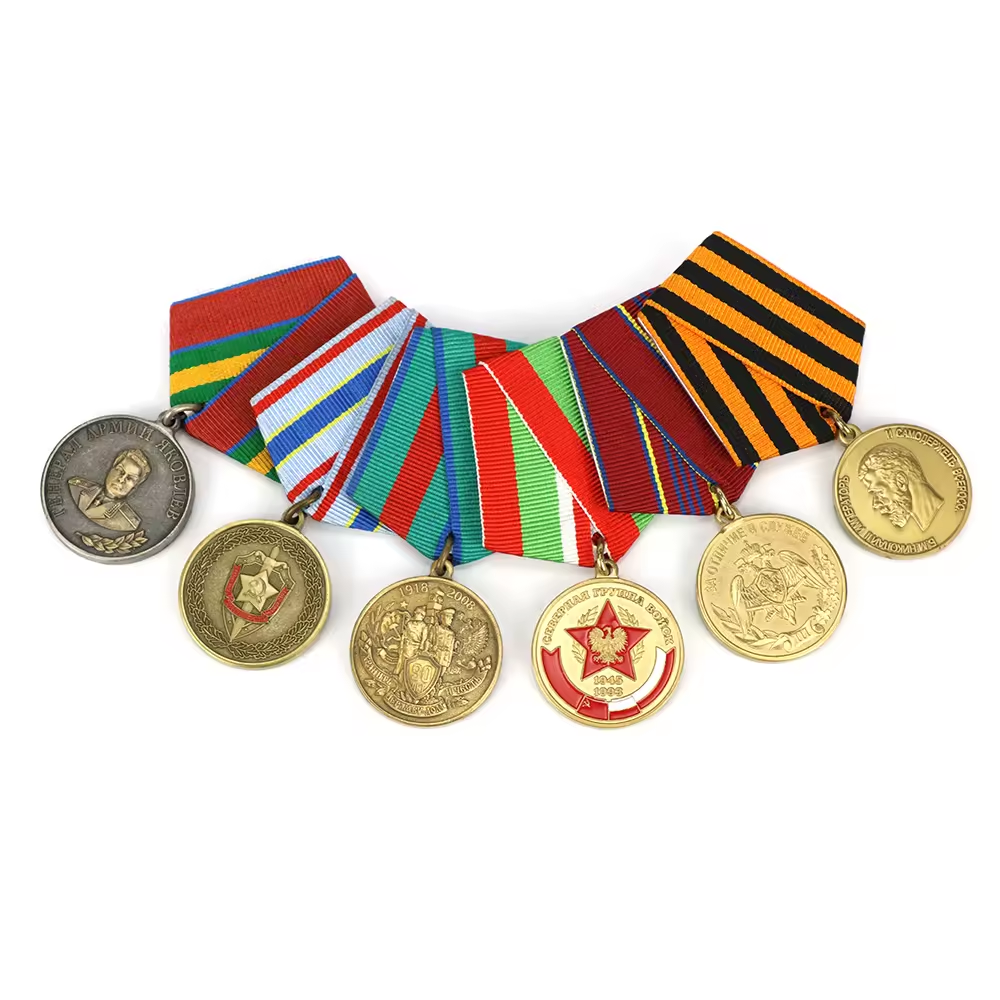
Military medals are more than just shiny decorations — they really carry a lot of meaning. They stand for dedication, bravery, and service, and understanding some of the most common military medals can actually help us better appreciate the folks who serve. Every medal has a story behind it—kind of a tribute to the different ways people have served in the past and present.
You’ve probably heard of medals like the Purple Heart and Medal of Honor. These aren’t just pretty awards—they’re symbols of sacrifice and bravery. A lot of medals are given out for specific reasons, often linked to acts of heroism or distinguished service. Sometimes, digging into the history behind these awards uncovers some surprising facts that make you stop and think.
And let’s be real, the whole process of earning these medals isn’t always straightforward. There’s often discussion about whether the recognition is always fair — who truly deserves these honors, and who might not get the credit they should? As we take a closer look at these medals, we start to see the complex stories they tell and the lives of the people behind them. Learning about common military medals really helps deepen our respect and understanding for what service members do and sacrifice.

Common Military Medals: An Overview of Awards and Honors
Military medals symbolize bravery, service, and commitment. They hold deep historical significance and foster a sense of pride. Among the common military medals, some stand out due to their unique criteria and the sacrifices required to earn them.
The Purple Heart is awarded to those wounded in combat. This medal signifies not just injury but the courage to serve despite facing danger. Another notable award is the Bronze Star, recognizing heroic acts in combat or meritorious service. Each medal tells a story. Many recipients feel proud, but others live with the burden of memory.
The Common Military Medals Factory produces various awards for different branches. The medals can vary in design and meaning. However, some medal designs may lack originality, often leading to criticism. This can prompt discussions about the true value of these honors. It's essential to remember the significance behind each award, as they serve to honor individual and collective sacrifices.
Understanding the Criteria for Military Medal Eligibility and Classification
Military medals represent valor and service. Understanding eligibility for these honors is vital. Each medal has specific criteria. Factors include the nature of service, duration, and displayed bravery.
For instance, some medals require combat experience, while others recognize humanitarian efforts. The distinctions can be intricate. Often, ambiguity exists. Service members may feel uncertainty about which medals they qualify for. This can lead to feelings of inadequacy among those who served with honor.
Classification of medals varies significantly. Some are awarded for active duty, while others are retrospective honors. Understanding these classifications is crucial. Misinterpretations can occur. For many, the emotional weight of a medal transcends its physical form. Each one tells a story, but the road to earning one is not always clear-cut.
Detailed Analysis of the Medal of Honor: The Highest U.S. Military Award
The Medal of Honor stands as the highest military award in the United States. It is awarded for acts of valor above and beyond the call of duty. Since its inception in 1861, only about 3,500 medals have been awarded, making it exceedingly rare. According to the Congressional Medal of Honor Society, recipients often demonstrate extraordinary bravery. Many have faced life-threatening situations, showcasing unyielding courage.
The selection process for this esteemed medal is rigorous. A thorough investigation follows every nomination. This includes interviews, document reviews, and verification of actions. Statistically, only a small percentage of service members receive this honor. The U.S. military's commitment to recognizing genuine heroism is evident. However, some argue that the criteria can be subjective. This subjectivity raises questions about fairness and consistency in awards.
The Medal of Honor's design reflects its significance. It features a five-pointed star with intricate details that embody valor. This profound symbol can be found alongside other common military medals displayed by service members. Resources from the U.S. Department of Defense highlight the importance of preserving these awards. Many aspire to earn their place among the elite. Yet, even the most decorated face challenges in their journey. Understanding these dynamics sheds light on the dedication required for military service, often supported by organizations that act as Common Military Medals Suppliers.
Exploring the Distinguished Service Cross: A Valor Award for Bravery
The Distinguished Service Cross (DSC) is a prominent valor award. It honors extraordinary heroism in combat. Established during World War I, it stands as one of the highest military decorations. Recipients often face perilous situations, displaying courage and determination instead of retreat. Only a few have received this award, underscoring its exclusivity.
Many soldiers perform acts of bravery without recognition. However, the DSC highlights their contributions in a meaningful way. Each medal tells a unique story of sacrifice and valor. Those who earn the DSC not only serve their country; they inspire others. Yet, the harsh reality is that not every act of courage receives its due acknowledgment.
Understanding military medals entails recognizing their significance. Common Military Medals Factories produce these awards, but each one carries a personal narrative. The medal's design may be uniform, but the experiences behind them are diverse. Each award represents resilience in the face of overwhelming odds.
Top 10 Common Military Medals You Should Know About
This chart illustrates the distribution of common military medals based on their awarded frequency. The Distinguished Service Cross is shown alongside other notable medals, highlighting its significance as a valor award for bravery.
The Bronze Star Medal: Recognizing Meritorious Service in Combat
The Bronze Star Medal is a distinguished honor in the U.S. military. It is awarded for meritorious service in combat zones. Since its establishment in 1944, this medal has recognized bravery and exceptional service. Soldiers who display courage and dedication receive this prestigious award, making it a symbol of honor.
To qualify for the Bronze Star, service members must show excellence in their duties. This can include leadership in significant operations or displaying valor in the face of danger. The criteria for this medal can sometimes be subjective, leading to discussions about fairness. Some recipients reflect on their achievements, questioning if they truly met the criteria.
While the Bronze Star is esteemed, it can also evoke mixed feelings. Many soldiers feel a sense of pride but may also struggle with the weight of recognition. They often wonder if others deserved it more. The medal represents both achievement and the harsh realities of war. Such thoughts remind us of the complexities of service and sacrifice in the military landscape.
Overview of the Purple Heart: Award for Wounded Combatants
The Purple Heart is one of the most recognized military medals. It is awarded to U.S. service members wounded in combat. Established by General George Washington in 1782, the medal carries a deep historical significance. Its heart-shaped design, featuring a profile of George Washington, reflects the honor bestowed upon those who have sacrificed for their country.
Receiving a Purple Heart symbolizes courage, sacrifice, and resilience. Many recipients have harrowing stories that underline the physical and emotional toll of war. Some may struggle with their injuries even after returning home. These challenges can range from physical disabilities to profound psychological scars. The honor of the medal sometimes feels overshadowed by the pain endured.
Despite its revered status, there are complexities surrounding the Purple Heart. Some debate exists over the criteria for receiving it. Some argue that not all injuries warrant the medal, while others feel any service member should be recognized. This discussion shows that recognition and honor in military service can evoke diverse perspectives and feelings. The Purple Heart remains a powerful reminder of those who have faced extreme adversity in the line of duty.
Top 10 Common Military Medals You Should Know About
| Medal Name |
Established |
Criteria |
Appearance |
Notable Recipients |
| Purple Heart |
1782 |
Wounded or killed while serving |
Heart shape, purple with a gold border |
General Douglas MacArthur, Elvis Presley |
| Medal of Honor |
1861 |
Acts of valor |
Star shape, blue ribbon |
Audie Murphy, Henry Johnson |
| Distinguished Service Cross |
1918 |
Heroism in action |
Cross shape, green ribbon |
Alfred D. Ainsworth, George S. Patton |
| Bronze Star Medal |
1944 |
Meritorious service |
Star shape, bronze color |
James H. Doolittle, Norman Schwarzkopf |
| Silver Star |
1918 |
Gallantry in action |
Star shape, silver color |
John F. Kennedy, Audie Murphy |
| Army Commendation Medal |
1945 |
Meritorious service |
Medal with a laurel wreath |
Donald Rumsfeld, Colin Powell |
| Good Conduct Medal |
1941 |
Exemplary behavior |
Circular medal, blue ribbon |
N/A |
| National Defense Service Medal |
1953 |
Service during a national emergency |
Medal with various stripes |
N/A |
| Iraq Campaign Medal |
2004 |
Service during the Iraq War |
Circular medal with a red, white, and blue ribbon |
N/A |
| Afghanistan Campaign Medal |
2004 |
Service during the Afghanistan War |
Circular medal with a green and black ribbon |
N/A |
Significance of the Navy Cross: A Prestigious Award for Naval Valor
The Navy Cross is one of the highest honors awarded for valor in naval service. It recognizes extraordinary heroism in combat situations. This distinguished medal is only given to a select few and reflects acts of bravery that go above and beyond the call of duty. Recipients include sailors, marines, and coast guardsmen who have displayed exceptional courage.
Its significance lies not just in its prestige but also in its impact on military morale. The Navy Cross inspires others to strive for greatness. It also creates a bond among service members based on shared sacrifice and high ideals. Stories of recipients often highlight the sacrifices and harsh realities faced during conflicts, leading to deeper reflection on military service.
Recognizing the Navy Cross pushes society to acknowledge the sacrifices made by service members. The history of military medals illustrates a rich heritage of valor and commitment. As we learn about these significant awards, it's also crucial to understand the roles that Common Military Medals Suppliers play in preserving these important symbols of honor. Their contributions ensure that the legacies of heroes are remembered and celebrated.
FAQS
: It is awarded for meritorious service in combat zones.
The Bronze Star Medal was established in 1944.
They can show leadership in significant operations or display valor in danger.
They may feel pride but also question if they truly deserve the award.
The Purple Heart symbolizes courage, sacrifice, and resilience.
It was established by General George Washington in 1782.
Some debate whether all injuries warrant the medal, reflecting diverse perspectives.
Many struggle with physical disabilities and profound psychological scars.
The honor can feel overshadowed by the pain endured during and after service.
Its heart-shaped design reflects the honor bestowed upon those who sacrifice.
Conclusion
This article provides a comprehensive overview of common military medals, highlighting their significance and the criteria for eligibility and classification. It delves into several prestigious awards, starting with the Medal of Honor, recognized as the highest military distinction in the U.S., awarded for exceptional bravery. The Distinguished Service Cross follows, specifically honoring acts of valor, while the Bronze Star Medal acknowledges meritorious service during combat. The article also discusses the Purple Heart, a unique award for those injured in action, and the Navy Cross, a significant recognition for valorous acts in naval service. Through this exploration, readers gain insight into the various common military medals and the valor and dedication they represent.