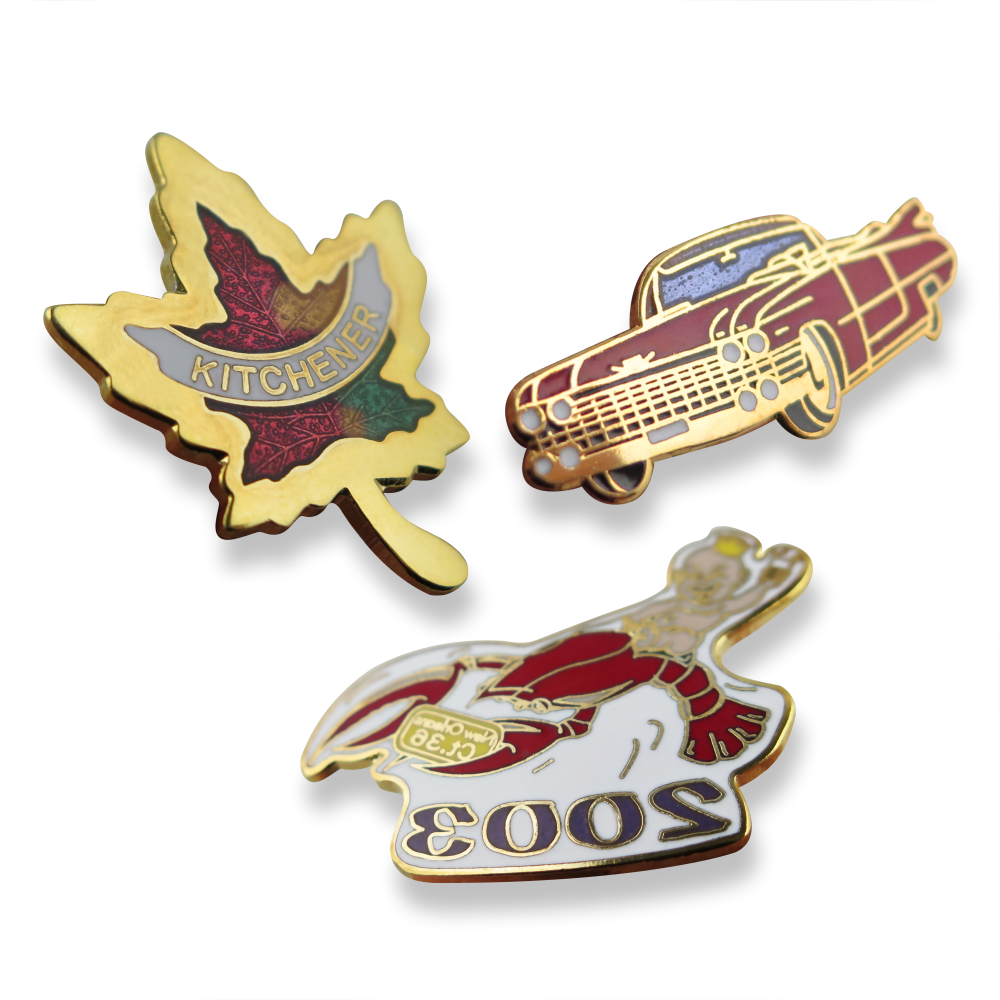
In today's super competitive world, businesses are always on the lookout for ways to stand out. Custom Military Patches are honestly a pretty awesome option for boosting visibility and showing off your team’s identity. They're not just for decoration—these patches really embody commitment and unity among team members. A lot of companies tend to overlook the power of things like Custom Enamel Badges, Custom Lapel Pins, or even Custom Metal Badges when it comes to branding, but they can actually make a big difference.
Choosing to go with Custom Military Patches can really help your brand stand apart from the crowd. They're memorable, durable, and give you a ton of room to get creative. Think bold colors and detailed designs that catch the eye right away. Compared to other accessories like Enamel Pins or Lapel Pins, these patches have a unique vibe and can foster a real sense of belonging among your staff. Of course, it’s usually best to work with trusted manufacturers—places like Lapel Pin China—so you’re sure of the quality and craftsmanship.
That said, some companies might hit a few snags when trying to make the most of these patches. Without a clear idea of what they want, they might not see their full potential. Custom Metal Badges should fit seamlessly into the bigger picture of your branding strategy. Looking back at what’s worked (or didn’t) in the past can really help you make smarter design choices moving forward. It’s all part of the process—learning as you go. Embracing the unique qualities of Custom Military Patches could end up making a pretty big impact for your brand.

Understanding Custom Military Patches and Their Significance
Custom military patches hold significant importance in various sectors, especially in business. These patches serve not only as identifiers but also as symbols of unity and pride. According to recent industry reports, 45% of organizations opt for custom patches to enhance team spirit and brand recognition. Their versatility appeals to different audiences.
In addition to fostering camaraderie, custom patches offer a cost-effective marketing solution. Data indicates that 70% of consumers are more likely to recall brands that use recognizable symbols or logos. These patches effectively communicate a brand's values. They can be designed to reflect organization culture and messages, making them a powerful tool for engagement.
However, there are challenges. Many businesses overlook the quality of materials used, which affects durability. A poorly made patch can weaken brand perception. It's crucial to focus on the patch's design elements and production methods, ensuring they resonate with the intended audience. Balancing creativity with professionalism is vital.
The Versatility of Custom Military Patches in Business Branding
Custom military patches offer a unique way for businesses to enhance their branding efforts. The versatility of these patches is evident in their functional and decorative qualities. They are not just for military personnel; many companies now use them for promotions, team spirit, and even identity. Custom patches can easily reflect a brand’s values and mission. They provide a tangible asset that can resonate with employees and customers alike.
In addition to military patches, businesses are exploring options like custom enamel badges and lapel pins. These items can offer a fresh take on brand identity. For example, custom metal badges often convey a more professional image. Meanwhile, enamel pins can be vibrant and eye-catching, making them perfect for events or giveaways. Brands can choose styles that align with their aesthetic. It’s essential to remember, though, that choosing the wrong design can backfire. Businesses must ensure that their patches accurately reflect their values.
Custom military patches and associated items can be more than just decorative elements; they can also create a sense of community. Employees wearing matching patches can foster teamwork and solidarity. But choosing high-quality materials is crucial. Low-quality patches can diminish the intended message. Reflecting on these aspects ensures that businesses use custom military patches effectively to represent their brand.
Key Features and Benefits of Custom Military Patches
Custom Military Patches serve as a unique branding tool for businesses. They can enhance team spirit and promote unity within a group. Each patch tells a story. A symbol or logo can evoke pride and commitment. The right design can capture attention and convey messages effectively. Businesses often overlook these powerful tools. Their potential to establish identity is significant.
Durability is another key feature. Custom Military Patches are made from robust materials, ensuring they withstand wear and tear. They can be used on various items like uniforms, bags, or hats. Custom patches are versatile, fitting different styles and preferences. This adaptability means businesses can cater to diverse audiences. Notably, they offer an affordable marketing option without compromising quality.
Creating Custom Military Patches is a process worth reflecting on. It requires careful planning and thought. Mistakes might occur, from poor design choices to inadequate material selection. Identifying the right manufacturer is crucial. A reliable partner can ensure high-quality production. Businesses must take their time to understand the options available. Thoughtful designs can lead to patches that truly represent their brand.
How to Design Effective Custom Military Patches for Your Business
Designing effective custom military patches requires a blend of creativity and strategic thinking. According to a report by Market Research Future, the custom embroidery market, including military patches, is expected to grow at a CAGR of 4.2% between 2021 and 2026. This highlights a rising trend in businesses leveraging patches for branding and employee recognition. The key to a successful design is to understand your target audience.
Your design should incorporate relevant symbols and colors that resonate with your brand. For instance, using bold insignias can evoke a sense of pride. However, it’s essential to keep designs simple yet meaningful. Complicated designs may lose their impact when scaled down. According to a study by the Custom Patch Makers Association, 75% of effective patches have fewer than three colors. This simplicity enhances readability.
Testing is also crucial. Gather feedback from focus groups to understand if the patch conveys the intended message. Monitor how well the patches are received by employees and customers alike. Adjusting the design based on this feedback can lead to better outcomes. Success in patch design is often iterative, with several rounds of adjustments before achieving the perfect final product. Embrace the process, and recognize that initial designs may require significant refining.
Choosing the Right Materials for Custom Military Patches
When selecting the right materials for custom military patches, quality matters. Different fabrics have unique characteristics affecting durability and appearance. For instance, polyester offers excellent durability and color retention. It's ideal for outdoor use, reflecting strong performance even in harsh conditions. According to the American Institute of Textile Technologists, polyester materials can withstand UV exposure, making it a popular choice.
Another option is twill, which provides a softer texture. Twill is often used for intricate designs, showcasing fine details with clarity. The National Textile Association reports that twill patches are favored for their lightweight properties and ease of stitching. However, twill may not resist fading as well as synthetic blends, so careful consideration is essential.
Cotton is a natural choice, offering comfort and breathability. However, its susceptibility to wear and fading should not be overlooked. Data from the Textile Research Journal points out that cotton patches may require more frequent replacements. Each material brings its own pros and cons, so evaluating the intended use is crucial. Opting for a blend of materials might be the best way to achieve both aesthetic appeal and functional longevity.
Cost Considerations When Ordering Custom Military Patches
When considering custom military patches for your business, cost is a crucial factor. A well-designed patch can enhance your brand's identity. However, it is essential to weigh the expenses involved. The pricing depends on various elements like design complexity and material quality. Budgeting for these patches allows you to avoid unexpected costs later on.
Materials play a significant role in determining your overall expenditure. High-quality fabrics and embroidery lead to durable patches but also increase the price. You might be tempted to compromise on quality. Yet, cheaper options often result in faster wear and lower brand image. Standard choices include twill cloth, which provides a balance between cost and durability.
It's also important to consider ordering in bulk. Bulk orders typically reduce the cost per unit, allowing for larger patches without breaking the bank. However, an excess of patches can lead to storage issues. Evaluate your actual needs before committing. Reflecting on your unique branding strategy may also steer you towards custom options. A custom military patch can effectively represent your business ethos, just as a Custom Metal Custom Coin does for other organizations.
Real-Life Applications of Custom Military Patches in Various Industries
Custom military patches serve a unique role across various sectors, enhancing identity and unity. For instance, the law enforcement field uses these patches to signify rank and department, fostering a sense of pride. According to a report from the National Institute of Justice, about 70% of police departments utilize custom insignia to promote teamwork and morale. Such displays can also aid in community recognition.
In the healthcare industry, custom patches are utilized by medical personnel to convey roles and qualifications. They help delineate different staff positions in busy hospital environments. A study in the Journal of Healthcare Management found that 60% of staff stated such visual markers improved communication with patients. This underscores the patches’ significance in enhancing operational efficiency.
Custom Biker Patches, favored in motorcycle clubs, create a bond among riders. These patches communicate membership and club affiliation. They serve as conversation starters and promote a culture of camaraderie. However, some clubs face challenges with patch designs and permissions, leading to disputes over identity and credibility. This calls for thoughtful consideration in patch design to avoid conflicts.
Unique and Stylish: The Rise of Military-Inspired Lapel Pins and Brass Buttons as Fashion Accessories
The resurgence of military-inspired lapel pins and brass buttons as fashion accessories highlights a fascinating intersection of history and contemporary style. These items have increasingly become symbols of individuality and creative expression, appealing to fashion-forward consumers seeking unique ways to elevate their outfits. According to a report by the Fashion Institute of Technology, military aesthetics have influenced mainstream fashion significantly over the past few years, with a 25% increase in the popularity of these accessories observed in recent runway shows and street style.
Lapel pins and brass buttons offer more than just decorative flair; they can convey personal ideologies, hobbies, and affiliations, making them significant in a world that values authenticity. The versatility of these pieces allows them to be paired with both casual and formal attire, enhancing everything from denim jackets to structured blazers. Industry insights indicate that accessories that capture a sense of nostalgia and individuality, such as military-inspired designs, have seen heightened demand, with a notable trend of customization further fueling this interest.
Moreover, the handcrafted and artisanal nature of many lapel pins and buttons appeals to consumers looking for sustainable fashion choices. As eco-consciousness rises, the accessories market is shifting towards locally sourced materials and small-batch production, which aligns well with the ethos behind military-inspired fashion. This blend of style, history, and ethical considerations presents an exciting opportunity for both designers and consumers in the evolving landscape of fashion.
FAQS
: Common materials include polyester, twill, and cotton. Each has distinct characteristics.
Polyester is durable and retains color well. It withstands harsh outdoor conditions effectively.
Twill has a softer texture and showcases intricate designs clearly but may fade faster.
Cotton is comfortable and breathable, but it wears out quickly and fades over time.
Patches signify rank and department, promoting unity and pride among police personnel.
They help identify staff roles and improve communication with patients, enhancing operational efficiency.
Yes, disputes over designs and permissions can arise, complicating identity and affiliation issues.
Yes, blends can provide both aesthetic appeal and functional longevity, balancing strengths and weaknesses.
Thoughtful design is vital to avoid conflicts and maintain credibility among group members.
Consider the intended use, durability, and how the patch will be displayed. Make sure to reflect.
Conclusion
Custom military patches have become increasingly significant in business branding, providing a unique and versatile way to represent a company's values and identity. These patches can enhance brand visibility, foster team spirit, and create a sense of belonging among employees. The various features and benefits of custom military patches include their durability, customizability, and ability to convey messages effectively.
When designing effective custom military patches, it is crucial to choose the right materials to ensure quality and longevity. Cost considerations should also be taken into account, as ordering in bulk can often lead to savings. Real-life applications of custom military patches span multiple industries, showcasing their adaptability and popularity in enhancing corporate image and morale. Overall, investing in custom military patches can be a strategic move for businesses looking to reinforce their brand presence and connect with their audience.