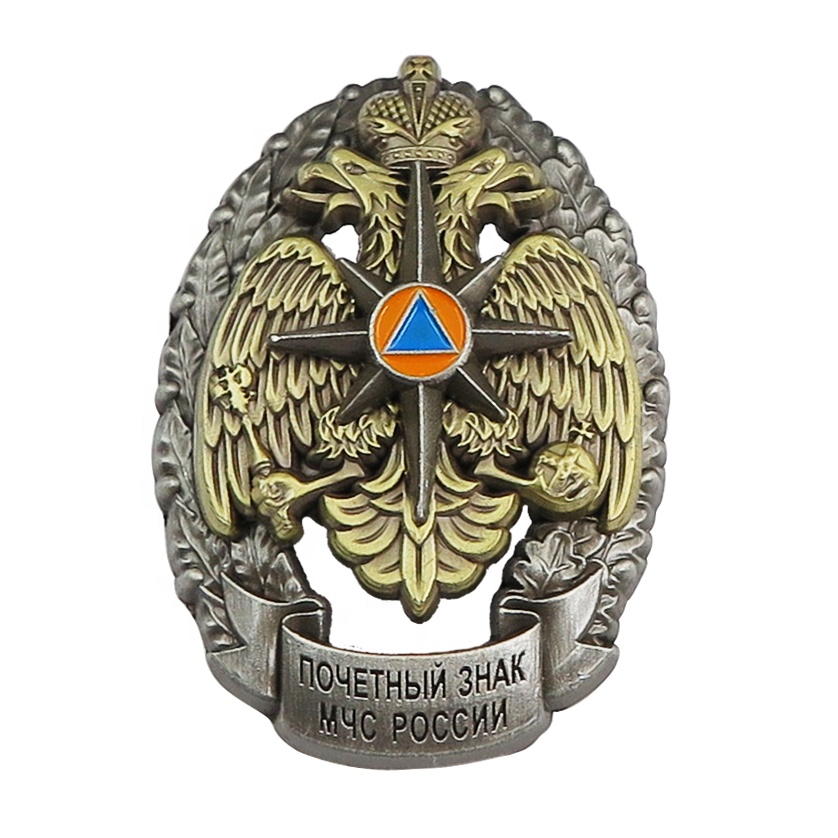
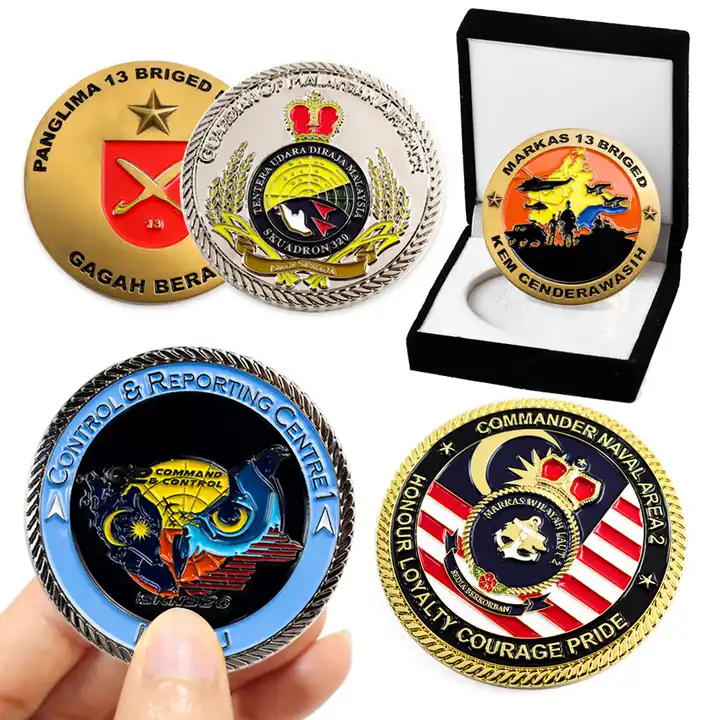
In the fast-moving world of custom products, designing and sourcing metal badges is pretty important—especially for brands that really wanna stand out. According to a report by Smith & Associates, the global market for these badges is expected to grow about 8% each year. That just goes to show, global buyers need smart strategies to keep up. Industry veteran John Reynolds from Badge Makers Inc. points out, “Getting a handle on regional costs, like China Badge and Metal Badge prices, is crucial if you want to get the most bang for your buck.”
Metal badges are super important for branding, awards, and promotional stuff. But honestly, a lot of buyers overlook some key factors that could really make or break their purchase. Things like the quality of the materials and how they’re made really affect how long the badge lasts and how it looks. Skimping on these can lead to disappointment and wasted cash. As Reynolds says, “Every tiny detail counts in making metal badges—miss something small, and you could be paying the price later.”
To really get the hang of the metal badge scene, you can’t just stick to the basics. Buyers need to think about how reliable their suppliers are, how complicated the designs are, and how prices vary across different parts of the world. By keeping these things in mind, international buyers can make smarter choices and boost their branding efforts in a way that really sticks out.

Understanding Metal Badge Material Options: Quality and Durability Factors
When selecting metal badge materials, understanding quality and durability is crucial. Custom metal badges can be made from various materials, such as zinc alloy, brass, and stainless steel. Each material has distinct properties affecting the badge’s longevity and appearance. For instance, according to a recent industry report by the Metal Badge Association, high-quality zinc alloy badges can resist corrosion better than standard options, thus prolonging their lifespan.
It’s important to consider the finish as well. Enamel pins and custom enamel badges often use enamel coating to enhance appearance. However, not all enamel finishes are created equal. Some are more prone to chipping and fading, which can affect the badge's aesthetics over time. Surveys indicate that 68% of buyers prefer durable finishes for custom lapel pins, which ensures that colors remain vibrant. Thus, choosing a reliable manufacturer who cares about quality leads to better results.
While aesthetics are vital, it’s also essential to think about the badge's application. A heavy lapel pin may not be suitable for delicate fabrics. Analysis shows that lightweight materials dominate the market, catering to a wide audience. Remember, reflecting on these factors helps ensure a satisfactory purchase. Investing in well-made custom metal badges today will pay dividends in brand visibility and reputation.
Design Considerations: Effective Artwork for Eye-Catching Badges
When designing custom metal badges, effective artwork is crucial for capturing attention. According to a report by Statista, eye-catching visuals can increase engagement by up to
70%. This statistic underscores the importance of quality design in custom enamel badges, especially when products like custom lapel pins are targeted at diverse global markets.
Incorporating vibrant colors and unique shapes can elevate the appeal of your enamel pins. Research shows that colors can evoke emotions and drive consumer decisions.
Deep blues and bright reds, for example, are often associated with reliability and passion. However, there’s a fine line between effective and overwhelming.
Complex designs might confuse the viewer, detracting from the badge's intended message. It's essential to create a balance.
Another consideration is the material and finish of your custom metal badges. A matte finish provides a sleek look, while a glossy one adds vibrancy. Remember that different markets may prefer different aesthetics, reflecting cultural values and trends.
A confusing design may lead to a lack of interest, while a thoughtful approach can foster brand loyalty. Each detail matters when it comes to making your metal badges stand out, especially in competitive environments like
Lapel Pin China.
Reviewing Finishing Techniques: Enhancing Aesthetics and Longevity
When considering finishing techniques for metal badges, aesthetic appeal and durability are crucial. Buyers should explore various coatings such as enamel, paint, or plating. Each method offers distinct visual effects and protection against wear. A smooth finish enhances the badge's vibrancy, attracting attention. However, not all techniques guarantee longevity. Some finishes may fade or chip over time, leading to disappointing results.
Testing these finishes can lead to unexpected outcomes. A supplier specializing in blank metal pin badges can provide prototypes for assessment. This hands-on approach allows buyers to evaluate options firsthand. Some badges may look great initially but fail in daily use. Reflecting on durability is vital when selecting a metal badge for souvenir purposes. Balancing beauty with resilience will ensure the final product meets expectations.
Every detail counts in the production process. Poor-quality finishes can result in a tarnished reputation for buyers. It's essential to partner with reputable manufacturers who prioritize quality. Inconsistent results can be frustrating and detrimental to brand identity. A deep understanding of finishing techniques can help buyers make informed choices for their projects. Consider these factors carefully to avoid unnecessary setbacks.
Evaluating Production Methods: Die-Casting vs. Stamping Processes
When choosing production methods for a Metal Badge, understanding the differences between die-casting and stamping is crucial. Die-casting involves pouring molten metal into a mold. This process allows for intricate designs and high-volume production. However, the initial setup costs can be high, making it less ideal for smaller runs.
On the other hand, stamping is a process that cuts metal sheets into desired shapes with high precision. This method is often more affordable for smaller production. It also provides faster turnaround times, which is appealing for urgent projects. Evaluating your project’s scale and design complexity will help in selecting the right method.
Consider the finish and detail you desire in your Metal Badge. Reflect on your quality standards and budget constraints. A poorly chosen method could result in excess costs or a subpar product. Always communicate clearly with manufacturers about your expectations. They can offer insights based on experience. Be prepared to adapt your plans as necessary.
Comparison of Production Methods: Die-Casting vs. Stamping
Pricing Insights: Cost Factors Influencing Metal Badge Production
When considering metal badge production, pricing is a crucial element. Factors such as material choice, size, and complexity can significantly influence costs. Common materials include brass, stainless steel, and aluminum, each varying in durability and appearance. A basic design might start at a lower price, but intricate designs and custom shapes add to production expenses.
Another key factor is the production method. Techniques like die casting, embossing, or printing each come with different pricing structures. For instance, die-cast badges generally require higher upfront costs but offer excellent detail. The order quantity also matters. Small runs might entail higher per-piece prices, while bulk orders often lead to discounts. Shipping and handling should not be overlooked, as international rates can add up quickly.
Lastly, the sourcing of raw materials plays a role too. Prices can fluctuate based on market demand and availability. This unpredictability can complicate budget planning for buyers. Understanding these factors empowers global buyers to make informed decisions, ensuring better cost control without compromising quality.
Sourcing Suppliers: Key Criteria for Global Buyers in the Metal Badge Market
When sourcing suppliers in the metal badge market, several key criteria can help global buyers make informed decisions. Quality assurance is paramount. Ensure suppliers can provide evidence of their production standards. Certifications or samples may reflect their ability to meet your expectations. Assessing the production processes is crucial. Investigate whether the supplier uses modern technology and sustainable practices. Eco-friendly production can enhance your brand's image while simultaneously reducing environmental impact.
Additionally, consider the supplier’s communication and responsiveness. Clear communication is necessary for project success. A supplier who takes time to clarify details can save you from misunderstandings. Pay attention to their customer service. Timely responses can reveal their commitment to customer satisfaction. Evaluate their experience in the industry. Seasoned suppliers usually understand market trends better. However, newer entrants may bring fresh ideas.
Lastly, assess pricing but also look beyond it. Low prices can signal compromised quality. Balance cost with the value you receive. Don’t overlook previous clients’ feedback. Testimonials can provide insight into the supplier's reliability. However, remember that subjective experiences can vary. Always conduct thorough research before committing to any supplier, as this can save significant time and resources in the long run.
Compliance and Regulations: Meeting International Standards for Badges
When dealing with metal badges, compliance and regulations are vital. International standards must be met to ensure both safety and quality. According to the
International Organization for Standardization (ISO), over 80% of global buyers consider compliance as a key factor in choosing suppliers. This shows how crucial it is to stay updated.
One important tip is to check for certifications. Badges that meet standards like ISO 9001 show commitment to quality management. Ensuring that your supplier holds relevant certifications can save you from legal issues.
Also, be aware of regional regulations. In Europe, compliance with REACH directive is essential for materials used in manufacture.
Another tip is to conduct regular audits. These audits help identify any gaps in compliance. They can reveal overlooked areas that need improvement. A report from the Compliance Council suggests that
more than 70% of companies face hurdles in understanding international regulations. This reflects a need for better awareness among manufacturers and buyers alike.
Engaging experts in compliance can bridge the knowledge gap.
Creating Unique Gifts: Fast Delivery Custom Police Badges and 3D Logo Clown Metal Lapel Pins
Creating unique gifts can be an enjoyable and rewarding endeavor, especially when it comes to personalized items like custom police badges and 3D logo clown metal lapel pins. The global promotional products market is expected to reach approximately $24 billion by 2025, according to recent industry reports, highlighting a growing interest in customized items for businesses and personal gifts. Custom products, such as these badges and pins, often serve not only as tokens of appreciation but also as effective branding tools that can communicate values and affiliations in a creative way.
For instance, custom police badges provide a meaningful way to honor law enforcement personnel. These badges can be tailored to include specific designs, inscriptions, or symbols that resonate with the recipient. The rising trend towards customization is a reflection of consumers' desire for products that represent their individuality or commemorate significant events. Similarly, 3D logo clown metal lapel pins offer a fun and playful approach to branding. These pins can be crafted in multiple shapes and colors, making them memorable keepsakes that promote community events or companies in an engaging manner.
Fast delivery options for these custom items cater to the demand for quick turnarounds, especially for events or celebrations that require timely personalization. Industry data indicates that businesses are increasingly prioritizing speed in their supply chain processes, with more than 50% of consumers stating they prefer same-day or next-day delivery options. This trend emphasizes the importance of providing not only unique gifts but also the efficiency needed to meet customer expectations in today's fast-paced world.
FAQS
: Custom metal badges are made from materials like zinc alloy, brass, and stainless steel. Each has unique properties.
The finish enhances a badge's appearance. However, some finishes may chip or fade, impacting durability over time.
Lightweight materials are popular for custom badges. They cater to a wider audience and are less likely to damage fabrics.
Buyers should request prototypes from suppliers. This allows them to assess quality and durability of different finishes.
Evaluate quality assurance, communication, experience, and pricing. Low prices may indicate lower quality, so balance cost and value.
Clear communication minimizes misunderstandings. Suppliers who clarify details help ensure project success and satisfaction.
Durability is essential for functionality. Poor-quality finishes can damage brand reputation, so choose wisely.
Testimonials give insight but may be subjective. They can help gauge reliability, but thorough research is always necessary.
Sustainable production enhances brand image. It demonstrates commitment to environmental responsibility, appealing to conscious consumers.
Avoid compromising quality for cost. Also, neglecting supplier verification can lead to disappointing results in the long run.
Conclusion
In the pursuit of high-quality metal badges, global buyers should consider several key factors to ensure they make informed decisions. First, understanding the material options is crucial for gauging both quality and durability, as these attributes significantly impact the badge's longevity. Additionally, effective design is vital; eye-catching artwork can enhance the badge's appeal and effectiveness in branding.
Moreover, reviewing various finishing techniques can elevate the aesthetic quality of metal badges while ensuring durability. Buyers must also evaluate production methods, comparing die-casting with stamping processes to determine the best fit for their needs. Pricing insights serve as another essential element, as various cost factors can influence the overall production budget. Finally, sourcing reputable suppliers based on key criteria, and ensuring compliance with international standards, are critical steps to secure the best metal badge solutions in the global market.