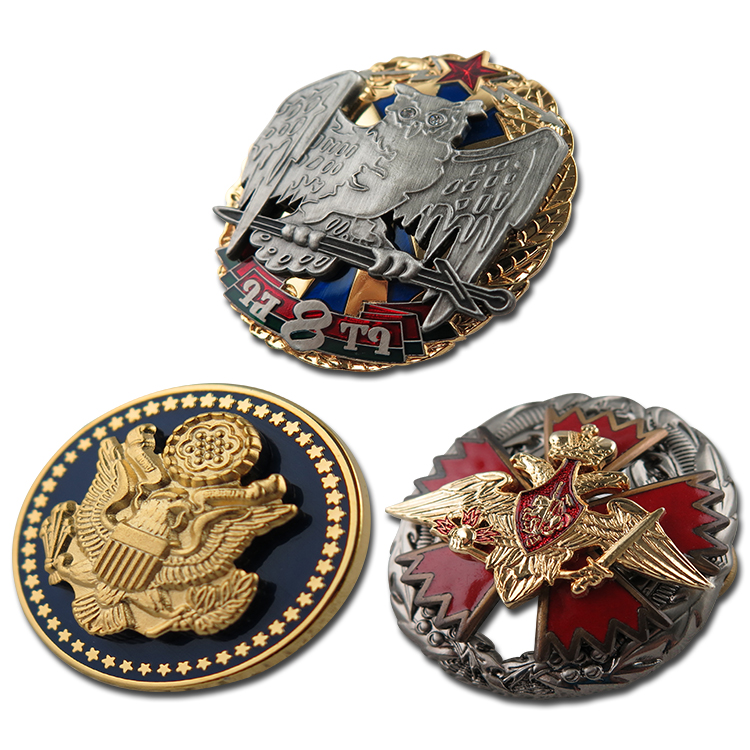
 Lately, there’s been a real buzz around uncovering the hidden stories and significance behind Army Badges. It seems like folks are getting more interested in their deep history, especially when it comes to military memorabilia and custom-designed pieces. According to a report from the National Defense Industry Association, the global market for military insignia is actually growing steadily. That’s mostly because more veterans and collectors are looking for personalized military items that really speak to them. Here at Dongguan Happy Gift Co., Ltd.—which is part of a larger group with deep roots in military products—we’re really tuned into this trend. We specialize in crafting metal and embroidery designs, and as a company passionate about creating custom pieces, we not only want to celebrate the legacy behind Army Badges but also explore their rich meanings. These badges aren’t just decorations—they symbolize bravery, accomplishments, and service throughout military history, and that’s what makes them so special.
Understanding the Origins of Army Badges Throughout History
You know those army badges you often see pinned on uniforms? They actually carry a pretty rich history that goes way beyond just looking cool. These insignias have roots that stretch all the way back to ancient times, where symbols were used to show someone’s rank, achievements, or what role they played in their group. Get this—back in medieval days, knights would wear emblems on their armor to show who they fought for and what they’d accomplished in battle. Over the centuries, this evolved and mixed with different cultural influences, eventually giving us the wide variety of badges we see today.
Throughout history, these badges haven't just been about looks—they played a big part in building team spirit and boosting morale among soldiers. When formal insignias started appearing in the 1800s, it was a game-changer. Suddenly, there was a clear and standardized way to identify people, their ranks, and what they had achieved. Every badge has a story to tell—about the soldier’s journey, the battles they fought, and the traditions they hold dear. Today, these little symbols still represent military service, sure, but they also showcase the values, the history, and the pride of the armed forces. They remind us of the sacrifices made and the honor in serving your country—that’s pretty powerful stuff.
Decoding the Symbols and Colors on Military Insignia
Military insignia are like little stories on their own, giving us a peek into the history, values, and traditions of armed forces around the globe. Each badge is packed with symbols that tell us about the unit’s mission, accomplishments, and heritage. For example, colors often carry specific meanings — blue might stand for loyalty and honesty, while red could represent courage and sacrifice. When we take a moment to understand these symbols, we don’t just learn about the military’s core principles but also get a sense of what makes each unit unique and proud of their insignia.
And it’s pretty fascinating how the design elements in these badges reflect the cultural backgrounds they come from. Sometimes you'll see animals, weapons, or abstract shapes — each one chosen carefully to represent certain qualities or ideals. Like, an eagle often symbolizes freedom and alertness, while a crossed sword and olive branch might be a nod to the idea of maintaining peace through strength. Looking into these designs and their historical roots helps us see how today’s military insignia keep traditions alive, fostering a sense of unity and identity among the folks who wear them. It’s like they tell a story, not just about the past but also about who they are now.

The Evolution of Army Badges: From Warfare to Modern Use
Over time, army badges have really gone through some pretty big changes. They’re not just about looking cool anymore — they actually tell a story about how warfare has evolved, as well as shifts in military culture and tech. Back in the day, these badges were mainly for helping soldiers tell each other apart on the battlefield, especially to show ranks or which regiment someone belonged to. Interestingly, a report from the Military History Center says the idea of insignias dates all the way back to the Roman Empire, where soldiers wore emblems to show their unit and bravery. That long history kind of laid the foundation for the detailed designs and deep meanings we see in badges today.
Nowadays, badges have become a lot more than simple identifiers. They also serve to motivate soldiers and mark their achievements. According to the U.S. Army Institute of Heraldry, there are now over 100 different badges that soldiers can earn — each one representing a specific skill or accomplishment, like hitting the mark in shooting or completing special training. Plus, there’s been a surge in producing commemorative badges lately, which often celebrate personal milestones but also reflect bigger shifts in military life and community recognition. So, these badges are really a living link between the old traditions and the modern military spirit, honoring both individual efforts and team identity.
Cultural Significance of Army Badges Around the World
Army badges hold a really special place in cultures all around the world. They’re not just about showing rank or achievements—they also carry deep-rooted traditions and values of military life. In countries like the U.S., the UK, and China, these badges are like symbols of a soldier’s dedication, honor, and commitment—kind of like a badge of pride you wear on your sleeve. I read recently that the global market for military insignia is actually on the rise, mainly because more people and units are looking for personalized or custom-designed badges. That’s right up our alley at Dongguan Happy Gift Co., Ltd., where we’re all about crafting customized metal and embroidery badges that tell a story—reflecting individual histories or favorite symbols.
When you're designing army badges, it’s pretty important to keep regional cultural meanings in mind. For instance, in African military traditions, badges often feature animal motifs that symbolize strength and resilience—stuff that really hits home. And according to the 'Global Military Goods Market Report 2022,' the trend toward creating unique, customized badges isn’t slowing down. More and more units want designs that really speak to their own heritage and identity.
**A little tip:** When you’re making a badge, think about what symbols or stories are relevant to your unit or background. Also, don’t forget to use high-quality materials so that those badges last and become treasured keepsakes over time. Working with experienced folks like us at Dongguan Happy Gift Co., Ltd., can really help bring your ideas to life—making sure each badge isn’t just a pretty piece, but a meaningful story you wear with pride.
How to Properly Display and Care for Army Badges
When you're talking about displaying and taking care of army badges, it's really important to understand what they actually mean. These badges aren’t just pretty patches or symbols of winning something—they really stand for dedication, skills, and a strong sense of belonging within the armed forces. Did you know that according to the Military Times, there are over 200 different military badges in the U.S. Army? Each one has its own story and specific requirements. Showing these badges off properly isn’t just about pride—it’s also a way to honor the soldiers’ achievements and help people appreciate military traditions a bit more?

Taking good care of your badges and displaying them properly can make them last longer and look better. Experts suggest using display cases made from UV-protected materials—that way, they won’t fade or get damaged over time. Also, when arranging badges, it’s smart to keep a respectful order that reflects their importance and hierarchy. The Department of Defense points out that if badges are displayed incorrectly, it can actually lessen what they stand for. On the flip side, properly cared-for awards can inspire future soldiers and help preserve their meaning. Basically, following the right guidelines for wearing and displaying these medals helps keep their significance alive and tells the stories of military service that they hold.
Collecting Military Badges: Tips for Enthusiasts and Historians
Collecting military badges is actually pretty rewarding if you're into history or just love collecting stuff, because each badge kind of tells a story—like a little snapshot of bravery, service, or identity. If you're thinking of really jumping into this hobby, it's worth taking the time to learn about the background and meaning behind each badge. Diving into the different types—like combat badges, service medals, or special insignia—can really help you see why each one is special and where they came from. Oh, and connecting with other collectors or checking out military reenactments and expos? Totally helpful. You get some good tips and insights that way.
At Dongguan Happy Gift Co., Ltd., we're serious about military gear, especially when it comes to custom badges. With our experience in metalworking and embroidery, we get how important it is to get the design just right—not just look good but also stay true to history. We're all about paying attention to details and using quality materials because we want collectors to feel confident that they're getting something legit. Whether it's for your personal collection or a display meant to honor the brave folks who wore these badges, our goal is to help preserve their legacy. After all, these badges aren't just collectibles—they're symbols of great stories and sacrifices.
Stylish and Affordable Accessories: Explore Factory Price Belt Buckles and Unique Men Tie Bar Sets as Perfect Gifts
In the world of fashion, accessories often play a pivotal role in defining personal style. Among these, belt buckles and tie bars have emerged as essential items that not only enhance an outfit but also make thoughtful gifts. A recent report by Statista reveals that the global accessories market is projected to reach over $400 billion by 2025, indicating a growing interest in stylish yet affordable items like factory price belt buckles and unique men tie bar sets.
Factory price belt buckles are becoming increasingly popular due to their combination of quality and affordability. With a variety of designs and finishes, from classic metal to modern embellishments, these buckles can easily elevate any casual or formal look. Moreover, they present an excellent gifting option, as customization options allow for a personal touch. A well-designed belt buckle can reflect the recipient's personality, making it a memorable gift.
Similarly, unique men tie bar sets have garnered attention as must-have accessories for the fashionable man. According to a survey conducted by FashionAccessories.com, over 65% of men reported that they consider accessories crucial to their overall appearance. A distinctive tie bar not only secures the tie in place but also adds a flair that distinguishes the wearer. Available in various styles, including minimalist and ornate designs, these sets can cater to a wide array of tastes, making them perfect gifts for any occasion. Whether for a birthday, an anniversary, or a celebration, these accessories serve to enhance both style and confidence.
FAQS
: Historically, army badges were primarily used for identification on the battlefield, designed to distinguish ranks and regiments, with origins tracing back to the Roman Empire, where soldiers wore emblems representing their units and valor.
In modern times, army badges have expanded to include functions such as motivation and achievement, with over 100 distinct badges available in the U.S. Army that symbolize various skills and accomplishments.
It's recommended to use display cases made from UV-protected materials to prevent fading and damage, and to arrange badges in a respectful order that reflects their hierarchy and significance.
Proper care and display enhance the longevity and visual appeal of badges, preserving their symbolic value and honoring the achievements of soldiers, which can inspire future generations.
The U.S. Army features over 200 different military badges, each with unique criteria and history.
Collectors should understand the historical context and significance behind each badge, research different types of badges, and network with fellow collectors to gain insights.
Commemorative badges reflect individual achievements and broader shifts in military engagement, serving as a connection between historical legacies and current military culture.
Collectors can support the legacy of military badges by choosing products from manufacturers that focus on detailed designs and historical accuracy, thereby honoring the stories behind these symbols.
Collectors may encounter various types of military badges including combat badges, service medals, and special insignia, each with its own significance.
Networking with fellow collectors and attending military reenactments or exhibitions can provide valuable insights, resources, and a deeper appreciation for the badges and their histories.
Conclusion
So, I came across this article called "Exploring the Hidden History and Meaning Behind Army Badges Today," and it’s honestly pretty eye-opening. It digs into the rich traditions behind these badges, tracing back where they all started and what they really stand for. You know, those insignias aren’t just pretty patches — they pack a lot of symbols and colors that actually say something about values and identity across different cultures. It’s interesting to see how these badges have evolved—from their original purpose in warfare to now representing service, rank, and cultural pride. It’s like they carry stories from all over the world.
The article doesn’t just stop at history, though. It also shares some practical tips on how to properly display and take care of Army Badges — super useful if you’re into collecting or just curious about their significance. By the way, our company, Dongguan Happy Gift Co., Ltd., is really into the craftsmanship behind these badges. We love working with metal and embroidery, especially when it comes to creating custom designs. And honestly, I think it’s pretty awesome how paying attention to quality helps folks appreciate the deep history and stories these badges hold. It’s more than just an accessory — it’s a piece of history you can wear or display."





 WhatsApp:+86 18122811289
