Hey there! You know, lately, the market for handmade accessories has been booming—like, it’s really taken off. I read a report from Market Research Future in 2021 that predicts more and more folks are craving personalized stuff, including fabric keychains. It’s kind of funny how people are leaning toward unique and customizable products these days, and fabric keychains have become super popular because they’re easy to make and pretty versatile. This whole trend kind of ties into the bigger DIY movement—fun fact, about 30% of people are into crafting as a hobby, often making personalized gifts or just trying stuff out for fun.
Fabric keychains are not just practical; they’re also like little blank slates for your creativity. They let you express yourself while still being simple enough to DIY. As more people want to showcase their individuality, I think these simple accessories are perfect for that. The Craft and Hobby Association says that over half of DIY fans see custom fabric items as a must-have for their projects. So, if you’re new and want to try making your own, this guide is here to help you get started. It’s a great way to get creative and jump into a trend that’s all about personal, handmade stuff—something lots of people are really into right now.

Understanding the Basics of Fabric Keychains and Their Uses
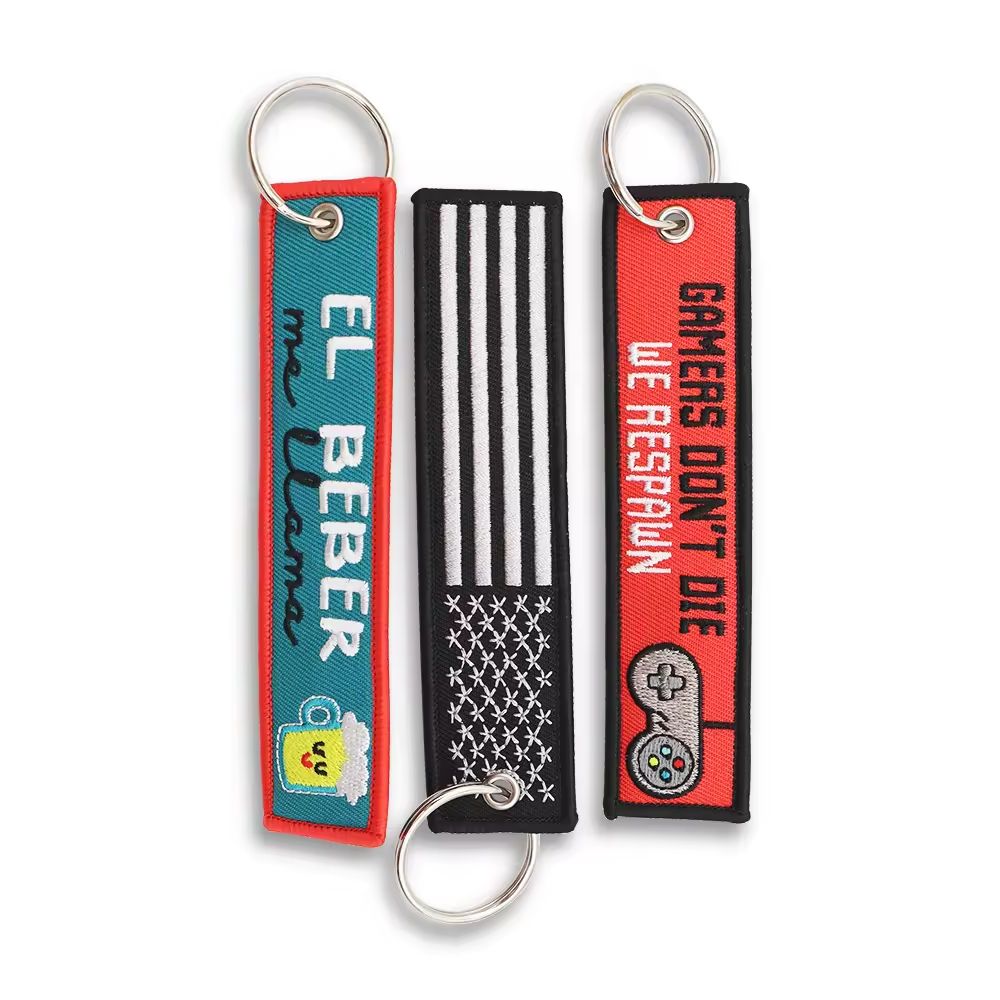
Fabric keychains are not only functional but also serve as a canvas for creativity and personal expression. They can be customized to reflect individual styles, making them popular among crafters and DIY enthusiasts. According to a report by the Craft and Hobby Association, approximately 62% of households engage in some form of craft or DIY project, highlighting the growing interest in handmade items. Fabric keychains, due to their simplicity and versatility, are often among the first projects tackled by beginners.
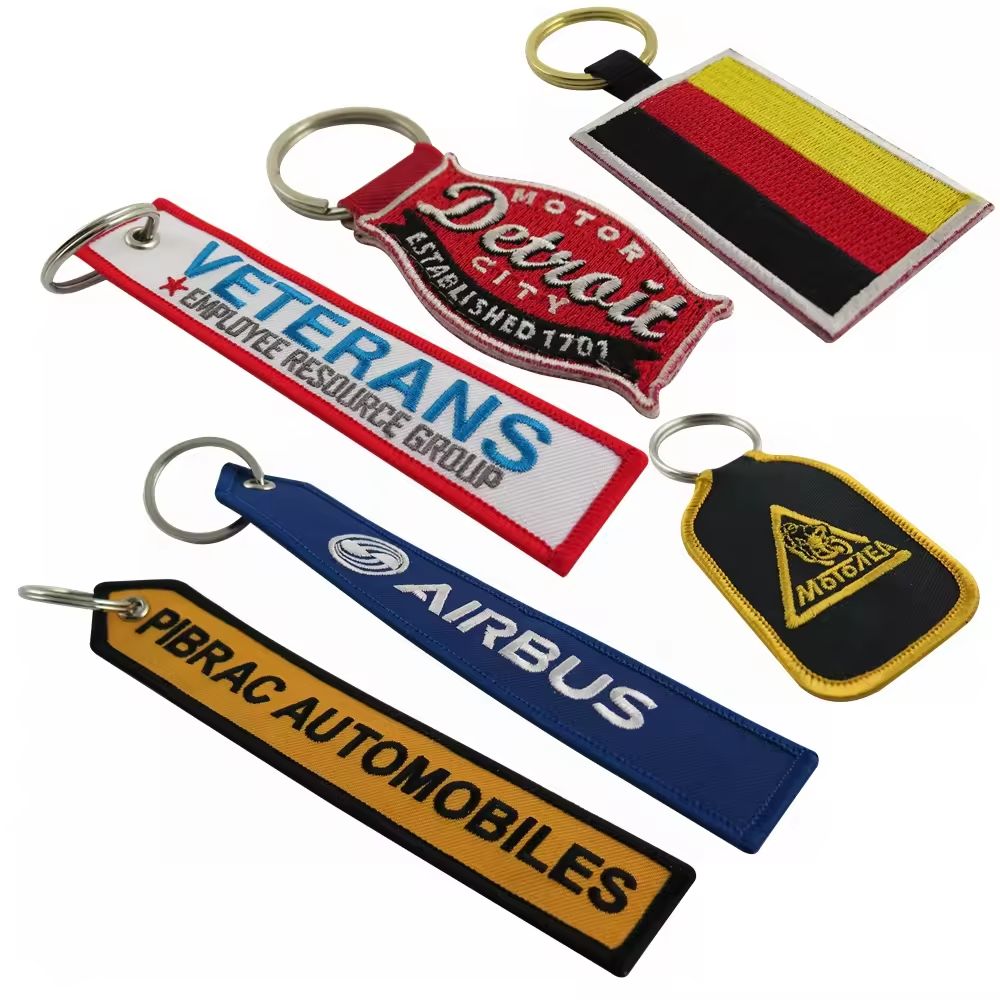
In addition to their aesthetic appeal, fabric keychains have practical uses. They can serve as identifiers for keys, handbags, or other items, helping to prevent loss. Furthermore, they find utility in promotional settings, where businesses can use them as branded merchandise to increase visibility. Industry data suggests that promotional products, including custom keychains, can significantly impact brand recognition, with about 79% of people recalling the branding on a promotional item they received in the past two years. This relevance underscores the value of fabric keychains not only as personal accessories but also as effective promotional tools.
Essential Materials and Tools Needed for Making Fabric Keychains
When embarking on the journey of making fabric keychains, understanding the essential materials and tools required is crucial for a successful crafting experience. First and foremost, you'll need high-quality fabric specifically designed for crafting. According to a report by the Craft & Hobby Association, the fabric industry has experienced a growth rate of 3-5% annually, indicating a rising interest in fabric-based projects. Cotton, felt, or even upcycled materials can serve as excellent foundations for your keychain creations, ensuring durability and easy handling.
In addition to fabric, consider investing in basic sewing supplies such as scissors, pins, and needles. A rotary cutter can also speed up the cutting process, enhancing efficiency—a key aspect when working on multiple keychains. An industry study suggests that DIY crafting not only fulfills a creative outlet but also fosters mindfulness, with 78% of participants indicating that crafting reduces stress levels. Other essential tools include key rings or clips to attach your finished creations, as well as embellishments like beads or buttons to personalize each keychain. Mastering these basics will set beginners on the right path to creating beautiful, one-of-a-kind fabric keychains.
Step-by-Step Instructions for Cutting Fabric for Keychains
Cutting fabric for keychains is a straightforward yet enjoyable process that anyone can master with a little practice. Start by gathering your materials, which include your chosen fabric, a ruler, a rotary cutter or fabric scissors, and a cutting mat. First, decide on the size of your keychain. A common size is 1 inch by 5 inches for a simple rectangular shape, but you can customize this to fit your design preferences. Measure and mark the dimensions on the fabric using the ruler and a fabric marking pen, ensuring the lines are straight for a neat finish.
Once your fabric is marked, it's time to cut. Place the fabric on the cutting mat, making sure it is flat and secure to avoid any slipping during the cutting process. Using the rotary cutter or fabric scissors, carefully cut along the marked lines. If you're using a rotary cutter, ensure you're using a cutting mat beneath the fabric to protect your surfaces and keep the blade sharp. After cutting, check the edges for any unevenness and trim if necessary. This step ensures that your keychain fabric pieces are uniform and ready for stitching or adding embellishments. With these fundamental cutting techniques mastered, you’re well on your way to creating beautiful fabric keychains.
How to Make Fabric Keychains Easy Step by Step Guide for Beginners - Step-by-Step Instructions for Cutting Fabric for Keychains
| Step |
Description |
Materials Needed |
Tips |
| 1 |
Choose your fabric and cutting tools. |
Fabric, Scissors, Ruler |
Select a fabric that is easy to work with. |
| 2 |
Measure and cut your fabric into the desired shape. |
Measuring tape, Fabric marker |
Use a clear ruler for accurate measurements. |
| 3 |
Sew or glue the fabric pieces together. |
Sewing machine or fabric glue |
Ensure the pieces are aligned before securing. |
| 4 |
Attach the keyring to the fabric piece. |
Keyring, Jump ring |
Use pliers for a secure attachment. |
| 5 |
Finishing touches and embellishments. |
Buttons, beads, or other decorations |
Get creative with your designs! |
Techniques for Sewing Fabric Pieces Together
When embarking on the journey of sewing fabric keychains, mastering the techniques for sewing fabric pieces together is crucial for beginners.
One effective method is to use a simple running stitch, which not only secures fabric edges but also allows for easy manipulation of curves and corners.
According to a 2021 survey by the Craft and Hobby Association, 70% of beginners reported that hand sewing helped them build confidence before transitioning to machine sewing.
Using contrasting thread colors can enhance the visual appeal of your keychain while giving you a chance to practice even stitching.
Additionally, another essential technique is the use of backstitching for added strength, especially at corners where wear tends to be concentrated.
By reinforcing these areas, your keychains can withstand daily use more effectively.
Data from a 2022 study by the American Sewing Guild indicates that 65% of sewing enthusiasts prefer using methods that enhance durability, making backstitching a popular choice.
For seamless finishes, incorporating a zigzag stitch along the edges can help prevent fraying, allowing your creations to have a polished look while increasing the longevity of the fabric.
Embracing these fundamentals in sewing techniques can elevate your keychain-making skills, making it a rewarding endeavor for hobbyists and crafters alike.
Adding Personal Touches: Embellishments and Designs
When creating fabric keychains, adding personal touches through embellishments and designs can transform your project into a unique piece of art. Start by selecting fabrics that resonate with your style—these could be vibrant patterns, solid colors, or even textured materials. Once your fabric is ready, consider incorporating various embellishments such as buttons, ribbons, or beads. These additions not only enhance the visual appeal but also allow you to express your personality and creativity. For instance, layering different fabric pieces can create a fun, three-dimensional effect, while the strategic placement of buttons can add a playful element to your keychain.
Next, explore various design techniques to further personalize your keychain. You might experiment with fabric painting or embroidery to render your initials, symbols, or meaningful shapes directly onto the fabric. Stencils can help create precise designs, making the process easier for beginners. Additionally, iron-on patches can be a fantastic way to add intricate designs without the need for sewing. As you work through different embellishments and techniques, remember that the key is to have fun and let your creativity flow. The end result will be a one-of-a-kind fabric keychain that not only serves a practical purpose but also reflects your individual style.
How to Attach Keyrings and Finishing Touches
Attaching keyrings to fabric keychains is an essential step that not only enhances the functionality of the keychain but also adds a professional touch to your handmade creations. According to a report by the Craft and Hobby Association, over 60% of crafters enjoy personalizing their accessories, and adding a keyring is a popular way to achieve this.
To attach a keyring, start by selecting the appropriate size and style based on your fabric choice and the overall design of the keychain. Use strong, durable keyrings made from materials like stainless steel or zinc alloy, as these options resist tarnishing and wear, ensuring longevity. After attaching the keyring, consider adding finishing touches, such as decorative beads or tassels. This not only elevates the aesthetic appeal but also makes each keychain unique. A survey by Statista showed that more than 70% of consumers favor personalized items, reinforcing the importance of creativity in crafting unique accessories.
For the final details, ensure that the fabric edges are neatly finished to prevent fraying, which can detract from the overall look. A simple overlocking stitch or using fabric glue can help secure the edges effectively. By paying attention to these finishing touches, you can create fabric keychains that are not only functional but also a reflection of your individual style, appealing to the growing market of personalized crafts.
Tips for Troubleshooting Common Issues in Fabric Keychain Making
When embarking on the journey of making fabric keychains, beginners may encounter a few common issues that can be easily resolved with a bit of troubleshooting. One frequent challenge is fabric fraying, which often occurs at the edges of the keychain. To mitigate this, it’s advisable to perform a zigzag stitch or to use fabric glue along the edges before cutting out your pieces. This not only prevents fraying but also gives the keychain a more polished appearance.
Another issue to be aware of is misalignment when sewing or assembling the keychain. This can happen if the fabric shifts during the sewing process. To address this, pinning the fabric pieces together securely before sewing can make a significant difference. Additionally, using a walking foot attachment for your sewing machine can help ensure that the layers move together evenly. If mistakes occur, don’t hesitate to rip out stitches and re-sew; this is part of the learning process and can lead to better results in future projects.
FAQS
: You will need your chosen fabric, a ruler, a rotary cutter or fabric scissors, and a cutting mat.
A common size for a fabric keychain is 1 inch by 5 inches, but you can customize this to fit your design preferences.
Use a ruler and a fabric marking pen to measure and mark the dimensions on the fabric, ensuring the lines are straight for a neat finish.
It's best to place the fabric on a cutting mat to protect your surfaces and to provide a firm base for cutting.
You can finish the edges using a simple overlocking stitch or fabric glue to prevent fraying and ensure a neat appearance.
Select an appropriate size and style of keyring based on your fabric choice, then securely attach it to your keychain.
It's recommended to use strong, durable keyrings made from materials like stainless steel or zinc alloy for better longevity.
Consider adding decorative beads or tassels to enhance the aesthetic appeal and make your keychain unique.
Personalization adds a unique touch to accessories and is favored by many consumers, which helps your items stand out in the market.
By paying attention to the choice of fabric, color, and the addition of personalized touches like embellishments, you can create a keychain that showcases your style.
Conclusion
In the article "How to Make Fabric Keychains Easy Step by Step Guide for Beginners," readers are introduced to the delightful world of fabric keychain crafting. Starting with an overview of the basics, the article outlines various uses for fabric keychains, making them a practical and stylish accessory. It then highlights the essential materials and tools required to embark on this creative project.
The article provides comprehensive, step-by-step instructions for cutting fabric and sewing the pieces together, along with techniques for personalizing keychains with embellishments and designs. Additionally, there is a guide on how to attach keyrings, ensuring a polished finish. For beginners, troubleshooting tips help address common issues, making the process enjoyable and rewarding. Overall, this guide serves as an excellent resource for anyone looking to create their unique fabric keychains.




 WhatsApp:+86 18122811289
